
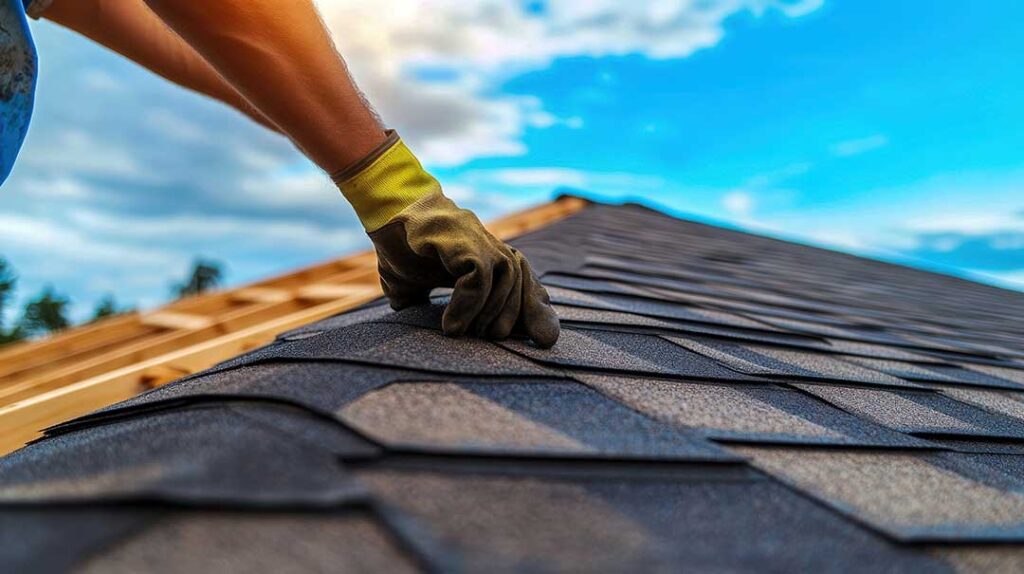
Why Check Your Roof After a Storm?
A strong storm—whether a heavy spring rain, late-winter wind, or summer hail—can cause roof damage that isn't always obvious right away. For residents in Webster, NY, regular roof inspection after severe weather helps prevent minor issues from growing into leaks, mold, or structural concerns. Prompt checks allow area households to address any problems early, especially given the freeze-thaw cycles and wind gusts typical in this region.
What Signs of Damage Should You Look for From the Ground?
From the safety of your yard, there are several visible indicators of possible roof trouble. Even if shingles haven’t flown off entirely, local weather conditions can cause subtle damage.
- Look for missing, cracked, or curled shingles, particularly after heavy winds or hail.
- Scan for piles of granules—these coarse particles may accumulate in gutters or downspouts after recent storms, suggesting shingle wear.
- Notice any sagging spots or changed roof lines, which can indicate leak or structural issues below the surface.
- Watch for debris accumulation, such as branches or leaves, which may hide trouble spots or trap moisture.
- Peek at skylights, vents, and chimney areas—they’re often sources for leaks if flashing is disturbed.
In Webster, older homes may be more susceptible to wind lifting or ice dam effects along roof edges, so keep an eye on these spots from the ground.
Can You Check for Damage Without Climbing?
Yes—many issues can be observed from the yard using binoculars. This approach is safest for most local homeowners, especially after slippery or icy storms common in late fall and winter.
Binoculars can help you:
- Inspect high points or steep sections without leaving the ground.
- Detect subtle signs like warping, splits, or color changes on shingles.
- View flashing around chimneys and roof valleys for displacement or gaps.
Residents should avoid climbing ladders unless fully stable and comfortable, particularly given occasional wind gusts in the area after storms.
What Are the Most Common Types of Storm-Related Roof Damage Locally?
Webster’s location near Lake Ontario exposes homes to a range of weather extremes, each with unique roof impacts:
- Wind damage: Strong gusts often loosen or lift shingles, especially on older roofs or those near open spaces.
- Hail impact: While major hail is less frequent, smaller stones can still bruise or dent shingles, leading to leaks months later.
- Ice dams and heavy snow: In colder months, ice formation at eaves can push water under shingles, while heavy snow loads stress roof structures.
- Water infiltration: Persistent rain or snowmelt can exploit weak points, causing leaks that might not be visible until water stains appear indoors.
Checking both the roof and attic after major storms can help catch issues early.
Should You Inspect Your Attic or Ceilings for Damage?
Checking inside the home is just as important as viewing the roof from outside. A quick attic and ceiling inspection can reveal leaks invisible from the yard.
- Scan for damp insulation, wet spots, or moldy odors in the attic—these may signal small leaks.
- Look for stained, bubbling, or peeling paint on upstairs ceilings, particularly in corners or near exterior walls.
- Listen for drips during rainfall.
In older homes found in much of the community, leaks may travel along rafters before appearing in obvious spots, so follow any signs of moisture to their likely source.

How Soon Should You Check After a Storm?
Ideally, check your roof as soon as it’s safe, especially after high winds, hail, or heavy snow. Some minor damage can quickly turn into larger problems with the city’s variable weather patterns, particularly during the transition from winter to spring.
Immediate inspection helps homeowners:
- Document issues for insurance, if applicable.
- Prevent secondary water damage if another storm arrives.
- Catch smaller problems before melted snow or rain make them worse.
What Safety Precautions Do Local Residents Need to Consider?
Safety comes first, especially given icy conditions and tall or steep-pitched roofs common in the area. Avoid climbing onto the roof after a storm—wet or icy surfaces are especially hazardous in the local climate. Only inspect from ground level or accessible attic areas. If you must clear branches or access the roof surface, wait until everything is dry and stable, and consider enlisting help for tasks requiring a ladder.
Which Issues Demand Immediate Attention?
Some forms of damage should be addressed quickly to prevent further risk:
- Exposed sheathing or underlayment, visible from the ground.
- Active leaks or water dripping into the attic or living space.
- Sagging or large dips in roof sections.
- Loose or dangling power lines—these should always be reported to appropriate emergency or utility authorities.
Ignoring major damage can lead to greater repair needs and, in some cases, safety hazards for residents.
Are There Common Misconceptions About Post-Storm Roof Checks?
A frequent misconception is that if no shingles are visibly missing, the roof survived unscathed. In reality, even small cracks or loosened flashing can cause leaks months later, especially with the area's climate shifts. Another myth is that all signs of trouble appear immediately, but many leaks or structural concerns are only evident after several storms.
What If You Find Signs of Roof Damage?
If you spot any signs of possible damage—missing shingles, water stains, or suspicious debris—document them with photos and notes. This helps in discussing repairs or, if necessary, insurance claims. Most routine fixes for small issues can be scheduled as time and weather allow, but act quickly for exposed areas or active leaks to protect your home and belongings.
