

Do Roofs Really Last as Long as Advertised?
Many residents believe that if a roof is advertised as a "30-year roof," it will always last that long. In reality, shingle lifespan ratings are based on ideal conditions—controlled climates, perfect installation, and no unexpected weather events. Webster, NY experiences all four seasons, including snowy winters, spring storms, and heavy summer rains. These local factors, along with ventilation and installation quality, often mean roofs may age faster than a manufacturer’s claim. It's common for area asphalt roofs to need significant repairs or full replacement after 18-25 years, especially with freeze/thaw cycles and lake-effect snow increasing wear.
Is Replacing Just Missing Shingles Enough?
Replacing a missing shingle or two after a windstorm might seem like a quick fix, but it isn’t always enough to protect a home. While patching bare spots prevents immediate leaks, wind and ice can lift or damage surrounding shingles and the underlying waterproof barrier. In Webster’s climate, a single out-of-place shingle sometimes signals deeper trouble, like weakened underlayment or hidden water damage, which can worsen if ignored. Homeowners should assess the surrounding area—both visually and, if safely accessible, by checking the attic for moisture marks or drafts. Small repairs are helpful short-term but may not solve long-term vulnerabilities.
Are Roof Leaks Always Directly Above the Spot Where Water Appears?
It’s easy to think that water stains in a ceiling always mean the leak is directly overhead. In reality, water travels along rafters, insulation, or wiring before pooling. Especially during heavy storms or after winter thaw, leaks may take convoluted paths. In homes across Webster, leaks often show up in attics first, sometimes making their way several feet from the actual roof entry point. Tracing a leak’s origin can save area residents from patching the wrong spot and missing underlying issues.
Is Roofing Maintenance Optional for Modern Materials?
Modern roofs are often marketed as “low-maintenance,” leading some homeowners to skip annual care. However, seasonal inspections remain valuable, particularly in regions like Webster that face substantial snowfall and fall debris. Moss, branches, or ice dams can build up quickly and shorten a roof’s lifespan if ignored. Catching cracked flashing, loose seals, gutter blockages, or growing mold early prevents bigger problems. Even newer roofing systems benefit from a yearly once-over, especially after harsh winters.
Can Roofs Be “Set and Forgotten” After Installation?
The idea that a new roof needs no further attention is persistent but risky. Most issues in this area come from minor, slow-developing problems: ice damming, clogged gutters, pest entry, or shingle granule loss. Without regular monitoring, small compromises can lead to major repairs. In Webster, where winter brings significant roof stress, proactive residents often avoid costly damage by keeping an occasional eye out for granule piles near gutters, checking attic insulation, and clearing tree limbs before storm season.
Do All Roofing Materials Work Equally Well Locally?
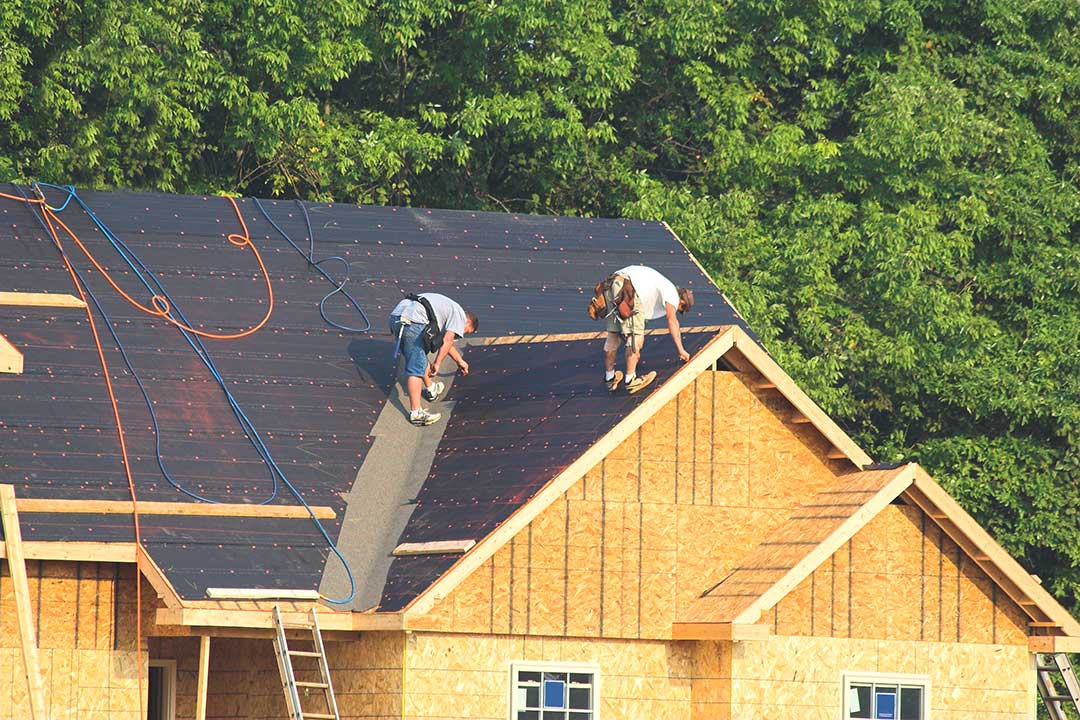
Not all shingles, underlayments, or roofing types are designed for upstate seasonal shifts. Some residents assume any roofing material will work if it’s rated for snow or cold, but Webster's unique freeze/thaw cycles and moisture patterns may require specific choices. For example, darker shingles can speed up winter melting but might increase attic heat in summer. Thicker underlayments help prevent ice dam leaks. Area homes also often benefit from proper attic ventilation, which helps control condensation and extend material life.
Is Roof Replacement Always Covered by Home Insurance?
Many homeowners expect that insurance will pay for new roofs no matter the circumstance. In practice, claims are only covered for specific damage, such as wind or hail storms, and not for years of aging or lack of upkeep. Insurers serving Webster typically require proof that regular maintenance was done and may deny claims if deterioration is found to result from neglect. Proper documentation of inspections and swift attention to minor repairs makes a difference in protecting a household investment.
Does Moss or Algae Growth Affect Roof Performance?
Seeing moss or dark streaks on shingles may seem like a cosmetic issue, but excessive growth can trap moisture, accelerate material breakdown, and increase the risk of leaks. The city’s shade trees and humid summers create favorable conditions for algae or moss, especially on north-facing sides. Cleaning with gentle, non-damaging methods and installing zinc or copper strips can help prevent re-growth, making roof care less of a chore in the long run.
Are DIY Repairs a Safe Solution for Most Issues?
Working on a roof can seem approachable, especially for small repairs, but even minor DIY fixes come with risks. Unfamiliarity with proper shingle alignment, flashing, or ventilation can void warranties or make problems worse. For issues related to leaks, storm damage, or structural support, safety concerns and risk of misdiagnosis make it wise for homeowners to balance self-sufficiency with safety and good information. Many household projects are approachable, but working at height and managing roof slope in icy or wet conditions common to Webster seasons often exceeds typical DIY skillsets.
