

Why Is Proper Roof Drainage Essential for Homes in Webster, NY?
Proper roof drainage keeps water away from a home’s structure, reducing the risk of leaks, mold, and foundation issues. In a region like Webster, with regular rain, heavy spring downpours, melting snow, and freeze-thaw cycles, roofs can quickly channel large volumes of water. Without efficient drainage, standing water may worsen ice damming, rot roof decking, or spill over and erode landscaping.
How Does Local Climate Influence Roof Drainage Needs?
The climate in Webster means that both rain and snowmelt frequently test roof drainage systems. Homes here often experience:
- Intense rainfall, sometimes turning small leaks into major issues
- Periods of snow accumulation followed by rapid melting
- Freeze-thaw events causing ice build-up in gutters
This variety of water sources means area homes benefit from drainage systems that work well in both wet and icy conditions. Attention to both fall cleaning and winter monitoring helps keep drainage functioning all year.
What Features Should a Reliable Roof Drainage System Include?
A reliable setup usually combines several elements to direct water off the roof and away from the foundation. Key parts include:
- Gutters that collect and channel runoff
- Downspouts that move water to ground level
- Flashing to direct water away from roof valleys and edges
- Splash blocks, buried drains, or extensions to carry water several feet from the home
Each element does its part to prevent water from building up where it can cause harm, such as fascia boards, siding, basements, or walkways. It's helpful to ensure that gutter slopes are correct—too little and water pools, too much and debris doesn’t clear.
How Often Should Gutters and Downspouts Be Cleaned?
In areas like Webster, most households should check and clean gutters at least twice a year—once after leaves drop in the fall and once after spring pollen and blossoms. Surrounding trees can significantly increase the need for cleaning. Neglecting this basic routine often leads to the most common roof drainage problems, such as overflow or ice buildup.
Where practical, leaf guards or mesh screens may reduce the frequency of manual cleaning but should be inspected regularly to avoid hidden blockages.
What Are Signs of Poor Roof Drainage?
Several clues can signal a drainage problem before major damage occurs:
- Overflowing gutters during rainstorms
- Water streaks or staining down siding
- Pooled water or damp spots near the foundation
- Icicles hanging from gutter edges in winter
- Sagging or pulling gutters
Checking these areas after heavy rainfall or a snowmelt gives homeowners an early warning about possible issues.
What Should Homeowners Look for after Freeze-Thaw Cycles?
Winter in Webster often brings alternating freezing and thawing. This can cause ice dams—ridges of ice that prevent melting snow from draining off the roof. Signs to watch for include:
- Ice-filled gutters or downspouts
- Water backing up under shingles
- Dripping inside along windows or ceilings
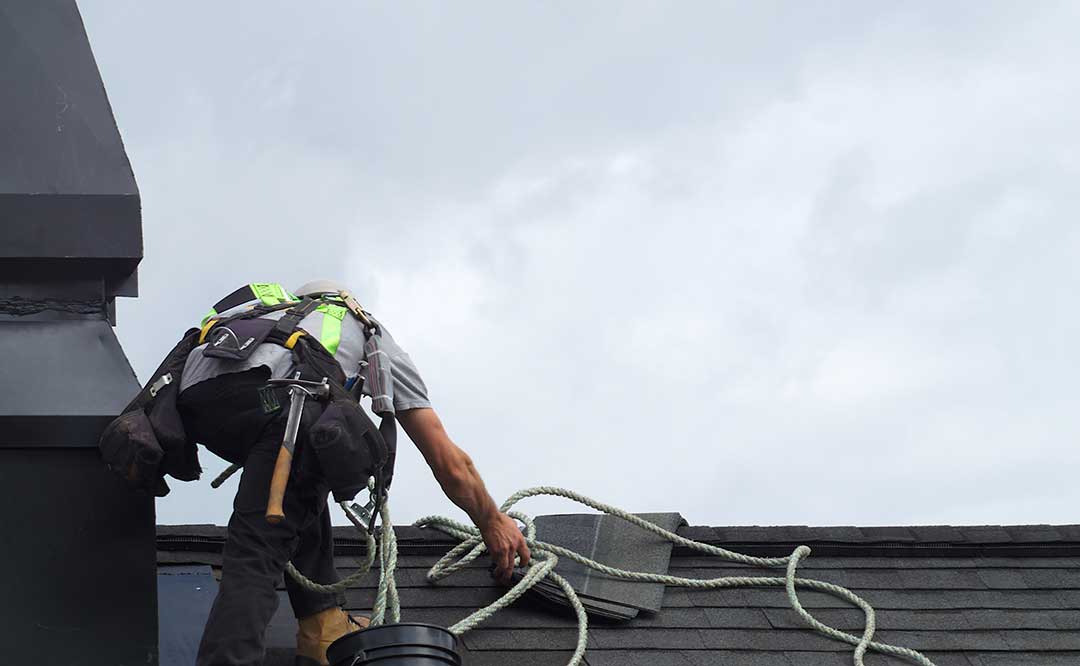
Preventing ice dams starts with good attic insulation and ventilation, helping keep the roof surface cold so snow doesn’t melt unevenly. Clearing snow from eaves before warm spells and ensuring gutters are empty can also help.
How Can Downspout Placement and Extensions Improve Drainage?
Water needs to be directed well away from the home’s foundation. Downspouts should:
- Extend at least 4-6 feet from the house (more on steep slopes)
- Avoid discharging near walkways or driveways where ice can form in winter
- Use splash blocks or flexible tubing to guide the flow
Some properties in the Webster area use underground drains, but these require regular maintenance to avoid clogging from debris or roots.
Are There Myths or Misconceptions about Roof Drainage?
A common misconception is that large gutters or extra downspouts alone solve all drainage issues. While size does matter when handling heavy rainfall, the pitch of the roof, home design, and quality of installation are equally important.
Another overlooked factor is landscaping. Soil graded toward the home or dense plantings near downspouts can cause water to collect and seep into basements or crawlspaces, no matter how well the gutters work.
What Local Considerations Affect Drainage Choices?
Older homes in the community may still use outdated gutter sizes or have flat roof areas that demand special drainage features like interior drains or scuppers. When replacing roofs or updating gutters, area households often balance historic home aesthetics with improved water management.
Saturated soils in some local neighborhoods may make basement flooding more of a concern, meaning extra attention to drainage extensions is wise. For new builds or additions, local building codes can set requirements for minimum distances that water must be directed away from the foundation.
When Does Roof Drainage Maintenance Become a Safety or Legal Issue?
Climbing ladders or accessing high roofs always carries some risk, especially on icy, wet, or unstable surfaces. If a home has hard-to-reach gutters, steep pitches, or visible decay that could make the structure unsafe, it may be best to proceed with caution or seek help only after evaluating risks.
In rare cases, municipal stormwater management rules may prohibit letting runoff cross sidewalks or onto neighboring properties. Checking local code before significant changes (like installing new drainage pipes) can help ensure compliance and keep water from becoming someone else’s problem.
