
Why Prepare Your Roof for Winter Weather in Webster, NY?
Webster, NY experiences cold winters with snow, ice, freezing rain, and temperature swings that put unique stress on local roofs. Taking time in autumn to check and maintain your roof helps prevent the costly problems that often arise after heavy snowfall, ice buildup, or late-winter thaws. Even newer roofs can benefit from simple seasonal upkeep, which can help protect your home, preserve insulation, and avoid unexpected leaks.
What Tasks Should Area Homeowners Prioritize Before Snow Arrives?
Start by inspecting your roof and adjacent areas before the first frost or significant snowfall. Prioritize these:
- Clear gutters and downspouts of leaves and debris to prevent ice dams, which are common throughout the area after the first snow-melts and freeze cycles.
- Look for visible shingle damage, like curling, cracking, or missing sections, which may allow water intrusion under heavy snow.
- Check fascia and soffits for signs of animal intrusion—squirrels and raccoons often look for shelter as temperatures drop.
- Remove moss, lichen, and obvious debris, but avoid aggressive cleaning methods that can harm shingles.
- Trim back overhanging branches to reduce the risk of limb impact or increased debris accumulation.
By catching minor issues now, local residents can keep small problems from worsening over the winter.
How Do Gutters and Downspouts Affect Winter Roof Performance?
Keeping gutters and downspouts clear is essential in Webster, especially before ice and snow arrive. Blockages prevent meltwater from draining properly, leading to ice dams where water backs up under shingles. Over time, trapped water can rot roof decking, ruin insulation, and cause ceiling leaks inside.
To check effectiveness:
- After a rain, observe how water exits your downspouts—look for overflow or sluggish drainage.
- Ensure downspout extensions direct water several feet away from your home’s foundation, protecting basements from flooding.
- If you notice persistent clogging, consider mesh screens that allow water through but block larger debris.
Misunderstanding: Many area households think leaves are the only concern, but pine needles and seed pods (common in Webster’s mature neighborhoods) are frequent culprits.
What’s the Best Way to Check Shingles for Winter Readiness?
Take a walk around your home with binoculars or, for those able and comfortable, carefully access the roof using a sturdy ladder.
Check for:
- Lifted, cracked, or curling shingles
- Spots where granules (the rough surface) appear worn away
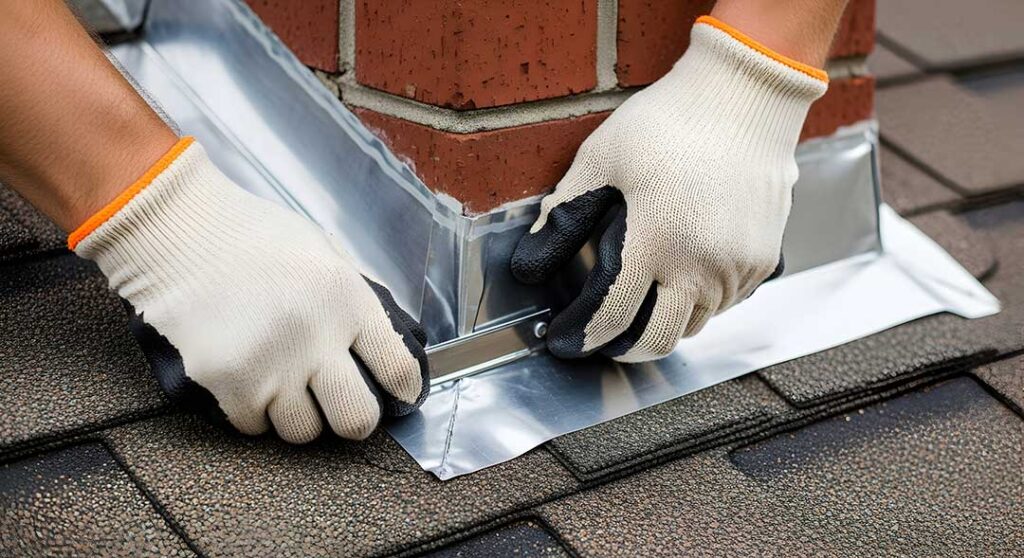
- Exposed nails or loose flashing around chimneys and vents
These vulnerabilities are likely to worsen after freeze-thaw cycles or wind-driven storms. Replacing a few damaged shingles or securing loose flashing before winter is much easier—and safer—than trying to repair damage after snow arrives.
Do Ice Dams Happen Frequently in Webster?
Yes, ice dams are a routine issue each winter. They form when heat from a home escapes through the roof, melting snow that then refreezes at the colder eaves. This cycle can create thick ridges of ice that trap additional snowmelt, trapping water above the roofline.
To reduce risk:
- Maintain attic insulation at recommended levels, which prevents heat loss.
- Keep attic ventilation unobstructed and in good repair—adequate airflow helps keep the roof cold.
- Remove snow from eaves after heavy accumulations using a roof rake with a telescopic handle, staying safely on the ground.
Misconception: Some think ice dams only occur on old roofs. In fact, any home with poor insulation or roof ventilation can experience this problem, even on newer houses in the city.
What Interior Signs Warn of Roof Trouble Before Winter?
While outdoor checks are crucial, pay attention to hints inside your home. Early warning signs include:
- Water stains or mild discoloration on top-floor ceilings
- Peeling paint or wallpaper near exterior walls, especially just after a rain or thaw
- Unexplained drafts or cold spots indicating air leaks
If these signs are noticed in the fall, investigate before winter to prevent gradual damage.
Are There Seasonal Roof Maintenance Steps Many Homeowners Forget?
Several steps are frequently overlooked in Webster:
- Checking attic ventilation vents themselves—they can be blocked by insulation, bird nests, or even stored items.
- Examining roof valleys (where roof sections meet), as leaves and debris often collect here and accelerate water pooling.
- Looking inside the attic for signs of daylight showing through boards, which can mean gaps or failed sealant.
- Making sure that attic insulation is not compressed or bunched up at the eaves, allowing for natural airflow.
What Weather Patterns Should Influence Roof Prep in Webster?
Fall in Webster often means sudden temperature drops, heavy winds, and occasional early snow. Leaves can linger on roofs and gutters well into late November, and sudden freezes may lock debris in place for months. Predictable lake-effect snow brings added weight and water, so gutters, flashing, and roof structure should all be sound well before typical snowfall begins.
Practical example: Many city residents wait until all leaves have fallen to clear gutters, but unpredictable autumn storms can bring slush and snow before the last leaves drop. Checking gutters twice—early fall, then again after the last major leaf fall—provides better protection.
When Should Residents Seek Outside Help for Roof Preparation?
Most seasonal checks can be safely performed by homeowners with basic tools and an eye for detail. However, seek outside help if:
- The roof is too steep, tall, or slippery for safe ladder access
- You spot signs of structural damage, such as sagging or visible rot
- Snowfall has already arrived and removal cannot be done from the ground
Safety is always the top priority. In these cases, using appropriate municipal resources for guidance—or waiting for conditions to improve—might be the best course of action.
