
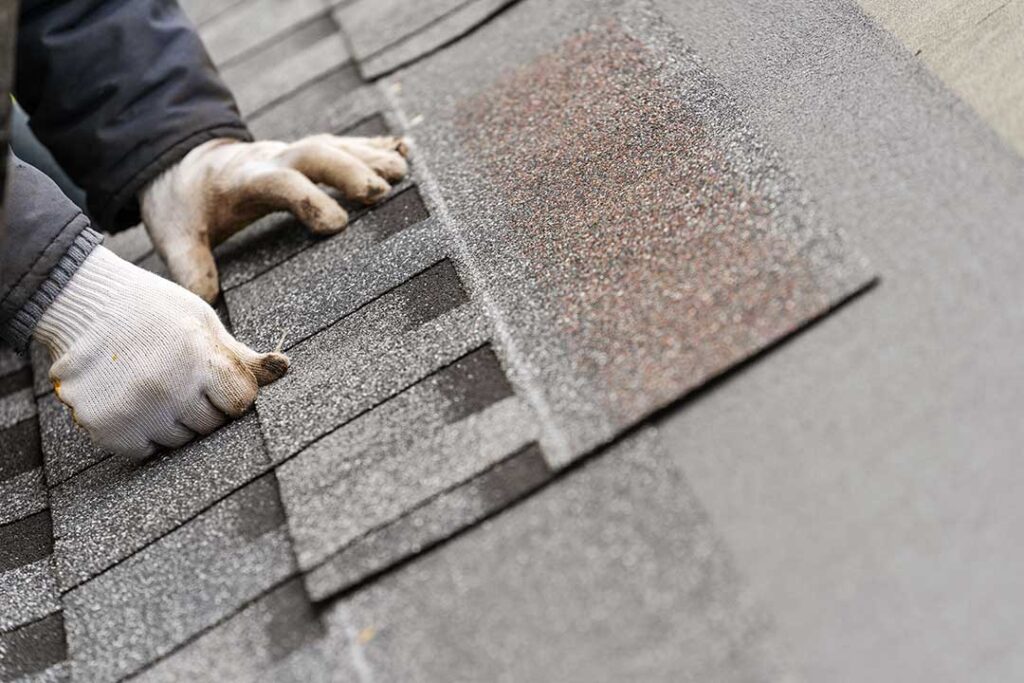
Shingles that curl, crack, or lose their shape are more than a cosmetic concern. These changes can allow water to reach the layers beneath the roof, especially during the freeze-thaw cycles, wind, rain, and snow common in Webster, NY.
The right response depends on the pattern, age, and severity of the damage. A few isolated defects may be manageable with limited repairs, while widespread deterioration usually indicates that the roof covering is nearing the end of its service life.
Why do asphalt shingles curl or crack?
Curling and cracking usually develop as shingles age, dry out, lose flexibility, or experience repeated weather exposure. Asphalt shingles contain a reinforced mat, asphalt coating, and protective mineral granules. As those materials deteriorate, the shingles may no longer lie flat or resist movement.
Common causes include:
- Age-related drying: Older shingles gradually lose oils and flexibility, making them more likely to curl or split.
- Repeated temperature changes: Roof surfaces expand in warmth and contract in cold conditions. Repetition can stress the shingle material.
- Improper ventilation: Excess heat and moisture in the attic can accelerate aging from below.
- Installation problems: Shingles installed over an uneven surface, with improper fastening, or in unsuitable conditions may not seal or lie flat correctly.
- Manufacturing defects: Less commonly, shingles may develop premature problems because of defects in the material.
- Physical impact: Falling branches, foot traffic, or maintenance work can crack individual shingles.
- Moisture beneath the roofing system: Persistent dampness can contribute to deterioration of the roof deck and materials above it.
Curling may appear as raised edges, lifted corners, or shingles that form a wave-like pattern. Cracking may appear as short splits, long fractures, or a pattern resembling dried mud.
Are curled shingles always a sign that the roof needs replacement?
No. A few curled shingles do not automatically mean the entire roof must be replaced. The more useful question is whether the damage is isolated or widespread.
Limited repair may be reasonable when:
- Only a small number of shingles are affected
- The surrounding shingles remain flat and flexible
- Granule loss is minor
- There are no signs of leaking or soft roof decking
- The roof is relatively young and has otherwise performed well
Replacement becomes more likely when curling or cracking appears across multiple slopes, rows, or roof sections. Widespread damage suggests that the shingles are aging as a system rather than suffering from one isolated event.
A roof can also look acceptable from the ground while having brittle shingles, weakened fasteners, or hidden moisture. Visual appearance provides useful clues, but it does not reveal every problem.
How can homeowners inspect the roof safely?
A ground-level inspection is often enough to identify obvious warning signs. Binoculars can help reveal lifted edges, missing granules, dark streaks, exposed underlayment, or shingles that no longer form straight courses.
Inside the attic, look for:
- Damp or discolored roof sheathing
- Water stains around nails or roof penetrations
- Musty odors
- Daylight visible through the roof deck
- Damp insulation
- Condensation or frost near the underside of the roof
Do not walk on shingles that appear brittle, cracked, steeply sloped, wet, icy, or covered with moss. Walking on damaged roofing can break additional shingles and creates a fall risk. A roof inspection involving ladders, steep pitches, or unstable surfaces should be left to someone equipped to perform it safely.
What should be done about a few damaged shingles?
A cracked or curled shingle should not simply be pressed flat and ignored. Once the material has lost its shape, it may not reseal reliably. Temporary measures, such as roofing cement, may reduce water entry in limited circumstances, but they are not a substitute for correcting the damaged shingle or the underlying cause.
A proper repair generally involves removing the affected shingle without damaging nearby materials, checking the condition of the surface beneath it, and installing a compatible replacement. Matching can be difficult because older shingles fade and newer materials may have different textures or exposure dimensions.
If the roof has a remaining supply of matching shingles, isolated repairs are usually less noticeable. Without a match, the repair may be structurally sound but visibly different.
Can curling be repaired, or does it require replacement?
The answer depends on why the shingle is curling. If a small number of shingles lifted because of wind or failed adhesive, limited replacement may correct the problem. If the shingles are curling because they have become brittle throughout the roof, replacing individual pieces may only provide short-term improvement.
The condition of the roof deck also matters. A shingle repair will not solve sagging, rot, or movement in the wood beneath the roofing. Similarly, if poor attic ventilation is contributing to excessive heat and moisture, replacing shingles without addressing ventilation may shorten the life of the new materials.
A useful evaluation considers:
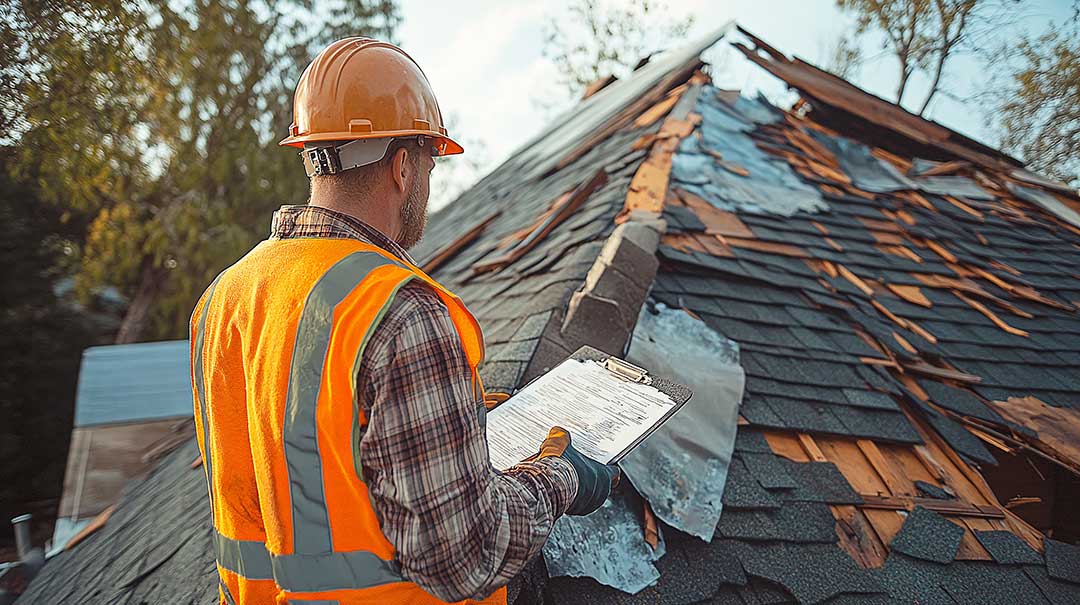
- The roof’s approximate age
- The amount and distribution of curling or cracking
- Granule loss in gutters and downspouts
- The condition of flashing around chimneys, vents, and roof edges
- Evidence of leaks or attic moisture
- Previous repairs and storm damage
- Whether the roof deck feels solid and remains dry
How does Webster’s weather affect shingle damage?
Seasonal weather can expose weaknesses that were less noticeable during milder conditions. Snow and ice add weight, while freeze-thaw cycles can widen small cracks and work against loose edges. Strong winds may lift shingles that have already lost flexibility or adhesion.
Summer heat also matters. Dark roof surfaces can become much warmer than the surrounding air, and repeated heating and cooling can speed material fatigue. Heavy rain can enter through raised edges, cracked tabs, failed flashing, or openings around roof penetrations.
After a major windstorm, inspect from the ground for displaced shingles, exposed fasteners, or pieces in the yard. Damage may not always appear as a dramatic missing section; a shingle can remain in place while its seal has failed.
What problems can develop if damaged shingles are ignored?
Curling and cracking create openings where water can travel beneath the visible roof covering. Moisture may then affect the underlayment, roof deck, insulation, wall framing, or interior finishes.
Possible warning signs include:
- Water stains on ceilings or upper walls
- Peeling paint or bubbling drywall
- Damp attic insulation
- Mold-like odors
- Loose or sagging roof decking
- Granules accumulating in gutters
- Increased drafts or moisture in the attic
Leaks do not always appear directly below the damaged shingle. Water can move along the roof deck or framing before entering the living space, so an interior stain may be some distance from the original opening.
When is immediate attention necessary?
Prompt attention is warranted when shingles are missing after wind, the roof deck is exposed, water is entering the home, or the roof has visible sagging. Active leaks near electrical fixtures require particular caution; avoid touching wet fixtures and address the electrical hazard separately.
Ice, snow, and wet surfaces make roof access especially dangerous. In winter, a ground-level check and attic inspection may provide useful information without climbing onto the roof. Temporary protection may be appropriate until conditions allow a safe, permanent repair.
The most reliable approach is to distinguish between isolated shingle damage and a broader aging pattern. A few defects may be repairable, but widespread curling, cracking, granule loss, and moisture evidence usually indicate that the roofing system needs a more comprehensive evaluation.
