
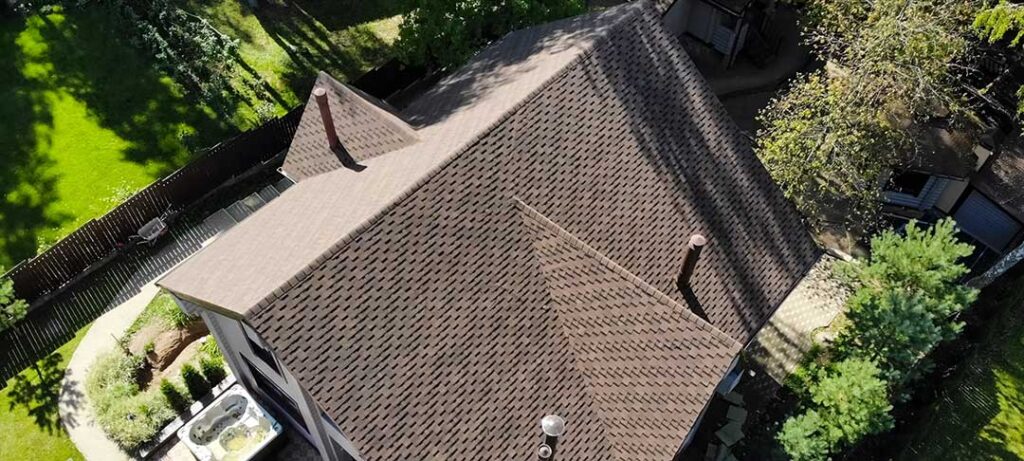
Why Should Webster, NY Residents Prepare Their Roofs for Hurricane Season?
Preparing your roof before hurricane season lowers the risk of costly damage and disruption. While hurricanes are uncommon in Webster, heavy windstorms and remnant tropical weather do sometimes affect the area, making local roofs vulnerable to severe wind, rain, and flying debris.
Though local building codes require wind-resistant roofing materials, many homes in the area have aging roofs, tree cover, or minor maintenance needs that could make them more susceptible to storms. Residents who take proactive steps help preserve both their home’s structure and long-term value.
What Are the Signs Your Roof Needs Attention Before Storms Arrive?
It’s wise to look for visible warning signs before spring and summer storm patterns intensify. A quick visual inspection from the ground or with binoculars is usually enough to spot:
- Missing, cracked, or curling shingles
- Sagging areas or uneven roof lines
- Loose or detached flashings, especially around chimneys and vents
- Moss, algae, or dark streaks, which may indicate moisture retention
- Excessive granule loss in gutters, pointing to shingle aging
If you notice these issues, minor repairs can prevent bigger problems during harsh weather. Residents with tall trees near their home should be especially diligent, as falling limbs can exploit existing weaknesses.
How Can You Secure Loose Roofing Materials and Fixtures?
Securing loose elements is essential since high winds seek out vulnerabilities. Homeowners can address light maintenance tasks with safety precautions, but more complex work—especially on steep or slippery roofs—calls for professional help.
Common do-it-yourself fixes include:
- Nailing down slightly lifted or loose shingles with roofing nails and asphalt cement
- Tightening or replacing flashing around roof penetrations (vents, skylights, chimneys) if it can be safely reached
- Checking that satellite dishes and antenna mounts are firmly attached and not creating new leaks
For any situation involving soft spots, significant height, or complex roof geometry, prioritize safety and consider if the job can truly be handled from a ladder or ground level.
Should Webster Residents Clean Gutters and Downspouts Before Hurricanes?
Yes. Clogged gutters and downspouts force stormwater onto your roof and home exterior, increasing the chance of leaks and flooding. Webster residents should make it a habit to:
- Remove branches, leaves, and pine needles from gutters (both spring and late fall)
- Flush downspouts with a hose to confirm full water flow
- Check for gutter sagging or separation that could worsen in heavy rains
Backups are especially likely in neighborhoods with mature shade trees or large oaks and maples. Taking time for this chore reduces overflow issues that can worsen during back-to-back storms.
How Do You Protect Roof Openings Like Skylights and Attic Vents?
Roof openings act as potential water entry points. Homes in the area with skylights, roof windows, or multiple attic exhaust vents benefit from extra attention.
Step-by-step preparation can include:
- Inspecting and resealing the perimeter of skylights and vent pipes with exterior-grade caulk or flashing tape if gaps are visible
- Ensuring vent covers sit flat and are secured tightly; replace warped or missing covers promptly
- Clearing debris off skylights or solar tubes so water can drain away, not pool on or around openings
Water can exploit even small flaws in roof penetrations, especially when wind drives rain sideways.
What Tree or Yard Maintenance Helps Reduce Roof Damage Risk?
Overhanging branches and nearby trees are a major cause of storm-related roof issues in the community. To minimize risk:
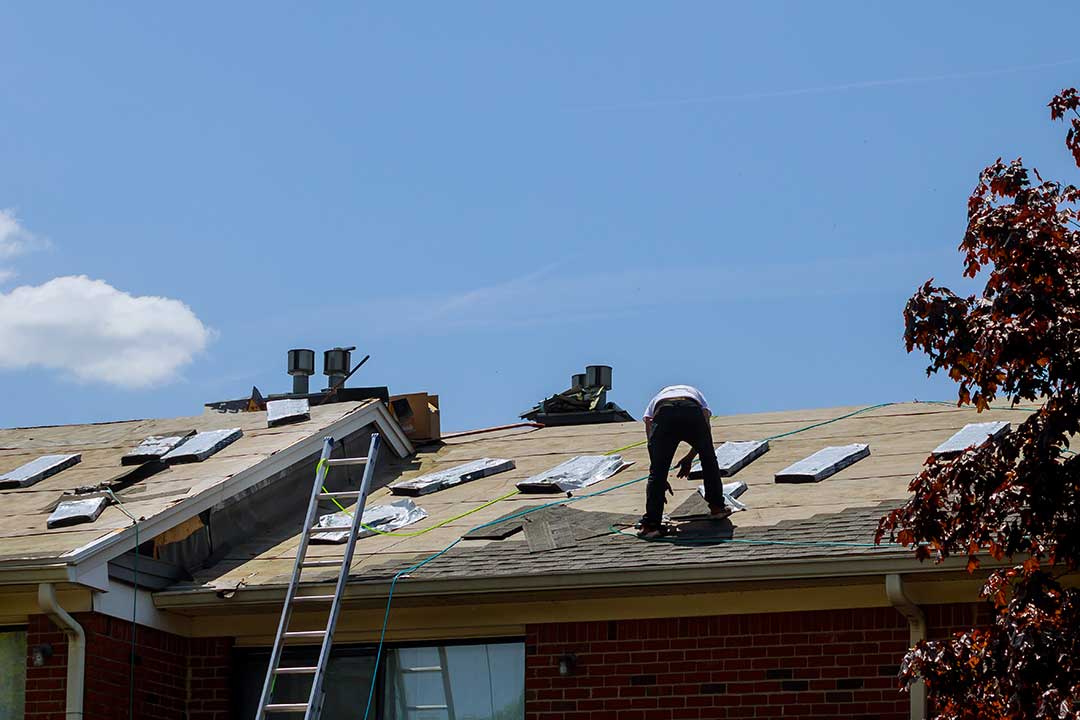
- Prune limbs that hang directly over the roof or brush against shingles, aiming to keep a minimum 6–10 feet of clearance
- Remove dead wood or weak trees that could fall during high winds
- Check routinely for accumulated organic debris (leaves, twigs, seeds) collecting near valleys or roof edges
Not only does this reduce damage risk—it also extends shingle life and minimizes gutter blockages.
Are There Special Concerns for Older Roofs in Webster?
Older homes in Webster often have roofs nearing the end of their typical service lifespan (20–30 years for asphalt shingles). These roofs are more likely to have:
- Brittle or thin shingles prone to wind uplift
- Underlayment that has deteriorated or become less waterproof
- Nail pops, minor leaks, or damaged sheathing
A pre-season check by a qualified inspector, or at least a thorough self-guided inspection, can help area residents decide if upgrades are needed before a major system passes through.
What Emergency Supplies Should Be Kept On Hand for Roof Protection?
While no one can predict exactly how each storm will impact the community, basic supplies make it easier to quickly respond to minor post-storm roof issues before repairs can be arranged:
- Tarp or heavy plastic sheeting to temporarily cover damage
- U.S.-labeled roofing nails and hammer or staple gun
- Waterproof duct tape, caulk, or roof cement
- Ladder and thick gloves for safe debris removal
Store supplies in an accessible area, as quick action after a weather event can limit further water entry until repairs are safely completed.
Common Misconceptions About Roof Preparation for Hurricane Season
Many people assume local roofs are invulnerable because major hurricanes are rare in this region. However, wind-driven rain, gusts from inland storms, or even late-season Nor’easters can exploit overlooked weaknesses. Another misconception is that insurance will always cover storm damage; coverage often depends on timely maintenance and the roof’s condition before the storm.
Prioritizing routine roof care and understanding how local weather patterns can threaten even seemingly minor issues puts homeowners in a stronger position to prevent problems and deal more confidently with insurance if necessary.
