
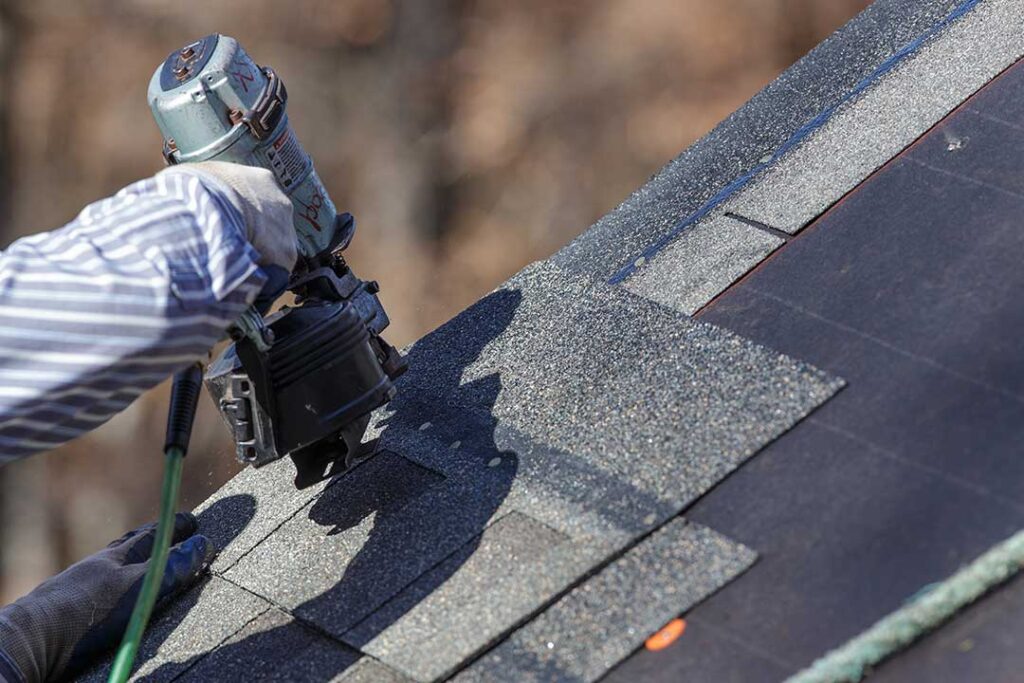
What Is a Roof Warranty and Why Does It Matter in Webster, NY?
A roof warranty is a kind of promise—either from a manufacturer or an installer—that covers specific issues related to your roofing system for a set period. For homeowners in Webster, NY, where winters are snowy and summers bring their share of storms, understanding what’s protected (and what isn’t) can prevent unpleasant surprises.
In essence, a warranty spells out what remedies are available if something goes wrong due to manufacturing defects or installation errors. It’s not the same thing as homeowners’ insurance, which covers things like storm damage.
Who Provides Roof Warranties?
Both material manufacturers and installation contractors can offer warranties, but they work differently:
- Material warranties come from the company that makes the shingles or roofing materials. These cover defects in the product itself.
- Workmanship warranties are offered by the installer, protecting against problems from improper installation.
Some homes in the Webster area, especially newer builds, may benefit from both types at once; others might only have limited coverage based on past repairs.
How Long Do Roof Warranties Usually Last?
Warranties can differ widely. Many manufacturer warranties range from 20 to 50 years, with some offering “lifetime” coverage. Workmanship warranties are typically shorter—anywhere from one to 15 years, depending on the installer and material.
A few key points for local homes:
- The lifespan given in the warranty often exceeds the actual lifespan of materials, especially with severe weather and freeze-thaw cycles.
- Coverage may change each year. For example, the early years might offer full replacement, with later years prorated (meaning coverage declines as the roof ages).
What’s Covered by a Roof Warranty—And What Isn’t?
Most homeowners hope their warranty will take care of any issue that pops up with a new roof. Unfortunately, coverage is usually much narrower:
Commonly covered:
- Cracking, splitting, or premature deterioration of shingles caused by manufacturing defects
- Leaks resulting directly from faulty installation, if a workmanship warranty is in place
Often NOT covered:
- Normal aging, weathering, or granule loss
- Damage from snow accumulation or ice dams—a real concern for Webster-area winters
- Poor attic ventilation leading to roof problems
- Hail, wind, fallen branches, or animal damage
- Improper roof maintenance or unapproved repairs
Always read the details carefully; a surprising number of warranty claims get denied because they fall into these exception categories.
What Are Common Misconceptions About Roof Warranty Protection?
It’s easy to assume a “lifetime” or 30-year warranty means you won’t need a new roof for several decades. For homes in the community, this isn’t always realistic.
Many homeowners mistakenly believe:
- All problems will be covered, regardless of cause.
- The warranty remains intact no matter what repairs or roof work get done later.
- A longer warranty always means better material.
But:
- Only manufacturer defects or installation errors are covered—not storm damage, ice dams, or normal aging.
- Some repairs—from hiring a non-approved company or failing to maintain ventilation—can void the warranty.
- In Webster, local freeze-thaw cycles and heavy snow may shorten the functional lifespan despite a long warranty term.
How Does Climate Affect Roofing Warranties for Homes in Webster?
The climate in Webster poses unique challenges, especially with repeated freezing, snow loads on roofs, and periods of high humidity. Roofing material warranties may look similar nationwide, but climate-specific factors impact how claims are handled and what is realistic to expect.
For example:
- Ice damming from snow accumulation can lead to leaks, but these are rarely covered.
- Shingle warranties may be voided by poor attic ventilation or drainage—both are crucial for homes facing wide autumn-to-winter temperature swings.
- Unusually severe storms that damage shingles tend to fall outside manufacturer responsibility, making insurance, not a warranty, the path to repairs.
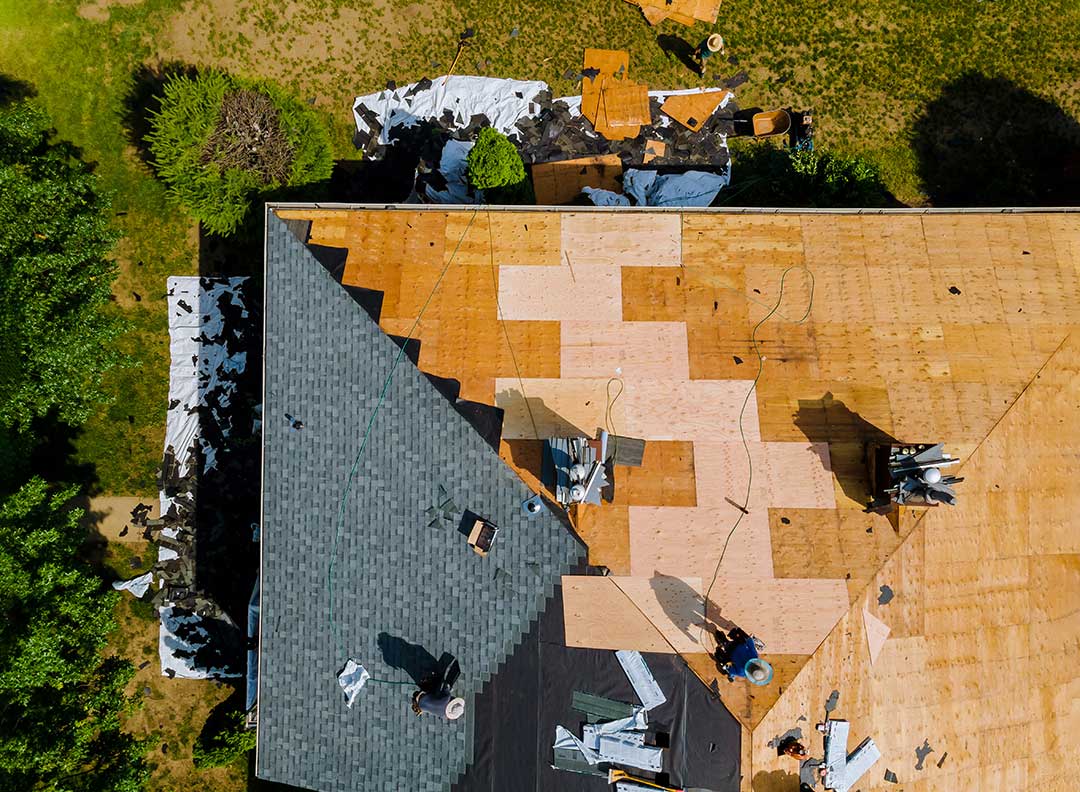
What Should Homeowners in Webster Ask About Before Relying on a Roof Warranty?
Before counting on a warranty for peace of mind, ask questions like:
- Does the warranty cover both materials and labor costs for replacement—if not, which does it include?
- Are repairs for leaks covered, or just defective materials?
- What’s required to keep the warranty valid (such as annual inspections or specific types of roof maintenance)?
- Does transferring the warranty to a new homeowner work automatically if you sell your home, or is paperwork needed?
- Are there restrictions around who can perform repairs or inspections?
Reading the full documentation—not just a summary—prevents miscommunication down the road.
What Steps Help Maintain Your Roof Warranty’s Validity?
A warranty is only good if it’s still in force. Several habits can help local households keep their coverage:
- Clean gutters and downspouts, especially in the fall and after storms
- Keep trees trimmed away from the roof to minimize debris and reduce branch impact risk
- Inspect the roof (from the ground, or with binoculars) for lifted shingles, exposed nails, or other small issues—early attention is essential
- Check attic ventilation and insulation, since poor air movement can void warranties and cause long-term problems
- Only allow repairs, inspections, or modifications by authorized, qualified personnel as specified in your documentation
Maintaining thorough records, including receipts and photos, is often needed if a claim ever arises.
How Do Roof Warranties Interact With Homeowners Insurance?
Warranties and insurance serve different purposes. Warranties protect against specific defects from manufacturing or improper installation, while insurance covers sudden or accidental events—such as wind-blown shingles, falling limbs, or fire.
If a leak or roof problem develops, local residents should:
- Review both their roof warranty documentation and insurance policy
- Determine if the issue arose from a warranty-covered cause (like a shingle failing) or an insurable event (like storm damage)
- Follow any required notification, inspection, or claim steps to avoid unintentional voiding of coverage
Knowing these distinctions can help area households avoid costly mistakes during urgent repairs.
