
Why Do Residents in Webster, NY Need Roof Inspections?
Regular roof inspections play a key role in maintaining home safety, efficiency, and property value in Webster, NY. Residents often seek inspections after a severe weather event, before buying or selling a home, or as part of seasonal home upkeep. Given the region’s cold winters, heavy snow, and spring rain, routine roof assessments can catch issues early and extend the life of local homes’ roofing systems.
What Happens During a Professional Roof Inspection?
A thorough roof inspection involves a step-by-step evaluation of both the exterior and interior elements of your roofing system. The process is both visual and hands-on, allowing the inspector to identify current concerns and potential future risks.
- Exterior checks: The inspector assesses the roof’s surface, flashing, gutters, vents, and associated elements by walking the roof, when safely possible.
- Interior checks: The attic and ceiling are evaluated for insulation, ventilation, leaks, and signs of water intrusion or mold.
For Webster residents, inspectors pay special attention to:
- Ice dam potential along eaves
- Damage from seasonal freeze/thaw cycles
- Gutter blockage due to autumn leaves
- Moss and algae buildup after wet springs
What Are Inspectors Looking For on the Roof’s Surface?
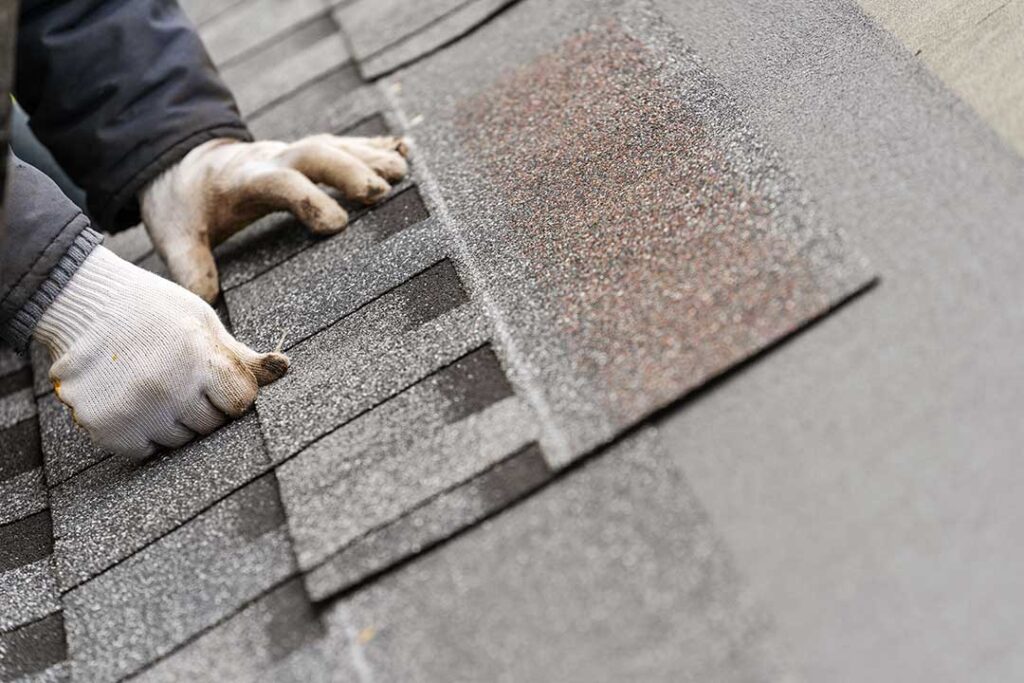
The roof’s materials—whether asphalt shingles, metal, or another type—are closely reviewed for visible signs of aging and damage.
Inspectors commonly check for:
- Missing, loose, or broken shingles
- Curling, cracking, or blistering materials
- Discoloration or dark streaks, which may indicate algae or water exposure
- Signs of animal activity
- Sagging or uneven surfaces, which can point to structural issues
Local homes often have steep-pitch roofs designed for snow shedding, so inspectors are alert to ice dam remnants or areas where snow accumulates. Heavy storms sometimes cause shingle loss, especially near the lakefront, a detail the inspector will not overlook.
How Are Flashing, Chimneys, and Roof Penetrations Evaluated?
Areas where the roof is interrupted—by valleys, skylights, plumbing vents, or chimneys—require careful attention. In these zones, inspectors look for:
- Loose or corroded metal flashing
- Deteriorated sealant or caulking
- Gaps, cracks, or lifting at penetrations
- Debris or organic matter buildup near structures
Since Webster frequently experiences wind-driven rain and freeze cycles, compromised flashing or caulking can quickly turn into leaks if left unchecked.
What Happens When Inspecting Attics or Ceilings?
The process does not stop at the exterior. Inspectors enter accessible attics to look for:
- Signs of moisture, such as stains or mold on the underside of the roof decking
- Evidence of poor ventilation (damp insulation, frost buildup)
- Missing, compressed, or displaced insulation
Ceilings below the roof are checked for stains, bulging drywall, or peeling paint—possible indicators of a slow roof leak.
How Long Does a Typical Roof Inspection Take?
For a typical single-family home, most inspections are completed within 45-90 minutes. Steeper roofs, larger homes, or properties with multiple roof levels may take longer to assess. Inclement weather, such as snow or persistent rain, may delay exterior access and lengthen the process.
What Tools and Techniques Do Inspectors Use?
A roof inspection in Webster is hands-on but can also include:
- Digital cameras or smartphones for documentation
- Moisture meters to detect hidden water within attic materials
- Binoculars or drones for viewing inaccessible areas
- Roof gauges to estimate shingle thickness or material wear
During winter or following a snowfall, some inspectors use thermal imaging to detect heat loss, which may indicate missing insulation or hidden leaks typical in the community’s older homes.
What Should Homeowners Prepare Before the Inspection?
Residents do not generally need to make special preparations, but clearing snow, leaves, or debris from roof access points can help. Ensuring attic entry is unlocked and unobstructed allows a more thorough evaluation. If inspection is planned after a storm, take photos of any observed damage beforehand for reference.
What Kind of Report Can a Resident Expect to Receive?
Afterward, the inspector usually provides a detailed report that includes:
- Current visible conditions of roof materials and flashing
- Identified problem areas, with photographs for documentation
- An evaluation of the roof's remaining useful life
- Recommendations for immediate repairs and long-term maintenance
This documentation serves as a helpful reference for future upkeep and can be especially valuable when planning renovations or selling a home.
Common Misconceptions About Roof Inspections
Some residents assume an inspection will always find major repairs, but many evaluations in the city simply confirm a roof is in good condition or in need of small, routine fixes. Another misconception is that roof age alone determines its health. In reality, localized factors like tree cover, attic ventilation, and previous storm exposure play a significant role in how quickly roofing materials degrade.
What Are the Risks of Skipping Routine Roof Inspections?
Delaying regular inspections means minor issues—like lifted shingles, clogged gutters, or loose flashing—may go unnoticed. In Webster, water intrusion from ice dams or undetected leaks can quickly develop into costly structural problems. Preventative checks are especially valuable before winter or after spring storms, given the local climate.
