
How Does the Roof Impact Home Energy Efficiency?
A roof acts as a crucial barrier between the living space and the outside environment, shaping how much heat enters or leaves a home. For households in Webster, NY, this means the type, color, and materials of a roof can play a significant role in energy bills and year-round comfort.
Webster’s climate, marked by cold, snowy winters and warm, humid summers, puts roofs to the test. Dense insulation, the right ventilation, and energy-smart materials can help prevent heat loss during long heating seasons, while also keeping attics cooler when summer temperatures climb.
What Roofing Materials Offer the Best Energy Performance Locally?
Homes in Webster most commonly feature asphalt shingles, but other materials like metal, tile, or even newer composite systems are becoming more prevalent as energy priorities change.
- Asphalt shingles: Widely used due to affordability and decent performance, but dark colors can attract solar heat in summer, making upper floors warmer.
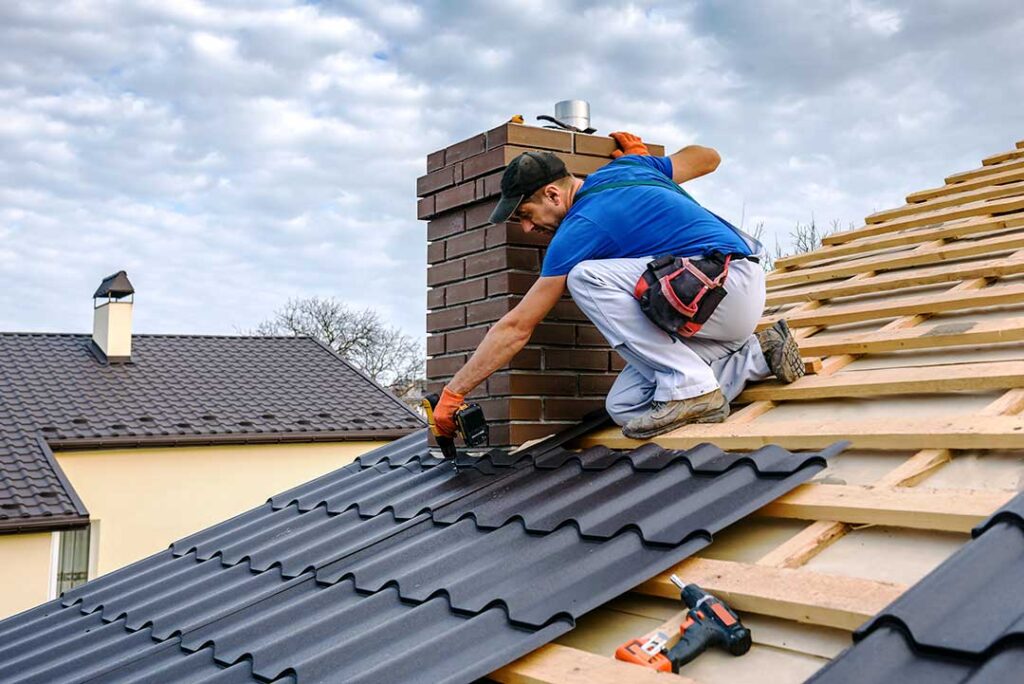
- Metal roofing: Reflects more sunlight and can be coated for additional energy benefits. Metal also sheds snow readily, which can help prevent ice damming.
- Tile and slate: Less common in the region; these heavy materials insulate well but are usually pricier and require strong support.
- Cool roofing: Specially formulated shingles or coatings designed to reflect more sunlight, decreasing heat transfer into living spaces.
For homes in the city, existing roofs can sometimes be retrofitted with cool roof coatings to enhance reflectivity, although the effectiveness depends on the current material and roof pitch.
Why Does Insulation Matter So Much Under the Roof?
Effective attic insulation creates a thermal boundary that keeps heat inside during freezing months and blocks outdoor heat in summer. This is especially important for the many older homes in Webster, which may have insufficient or outdated insulation.
- Blown-in cellulose or fiberglass are common choices for local attics and can often be added over existing layers.
- Spray foam insulation provides air sealing and thermal resistance, but installation is usually more complex and costly.
Under-insulated homes often face higher heating bills and can experience ice damming, where melting snow refreezes at the eaves, leading to water intrusion. Proper insulation paired with air sealing can greatly reduce temperature swings and utility costs for area households.
How Does Ventilation Contribute to Energy Performance?
A well-ventilated roof helps moisture escape, reduces heat buildup in summer, and prevents ice dams in winter. In Webster, where attics can become either stifling or frosty depending on the season, balanced airflow is critical.
- Ridge and soffit vents: Allow natural convection to move air out of the attic, supporting more even temperatures.
- Gable vents: Common on older homes; these allow airflow but may need to be paired with additional vents for optimal results.
Poor ventilation can undermine even the best insulation, leading to excess moisture, mold growth, and premature roof aging.
Are Cool Roofs Effective in a Northeastern Climate?
Many residents wonder if cool roofing is just for southern, sun-baked regions. In practice, reflective roof materials offer real benefits even in places like Webster. While summer cooling benefits might be more muted compared to hot, dry climates, preventing attic overheating can still improve comfort and reduce air conditioning needs.
A common misconception is that cool roofs are less useful in cold climates, but their ability to limit heat gain is important in homes without modern HVAC systems or those where upper floors overheat during the warmer months.
What Role Does Roof Color Play in Energy Costs?
Roof color directly affects how much solar heat is absorbed. In Webster, where winters are long but summers can be uncomfortably warm, many residents assume that dark roofs are ideal to melt snow. While there is a modest snow-melting effect, the downside is greater heat absorption when sunny weather returns.
Choosing medium to lighter-colored roofing can strike a balance: less summer overheating, yet not sacrificing much winter comfort since attic insulation does the real work in holding indoor heat.
Are Energy-Efficient Roofs Worth the Investment in the City?
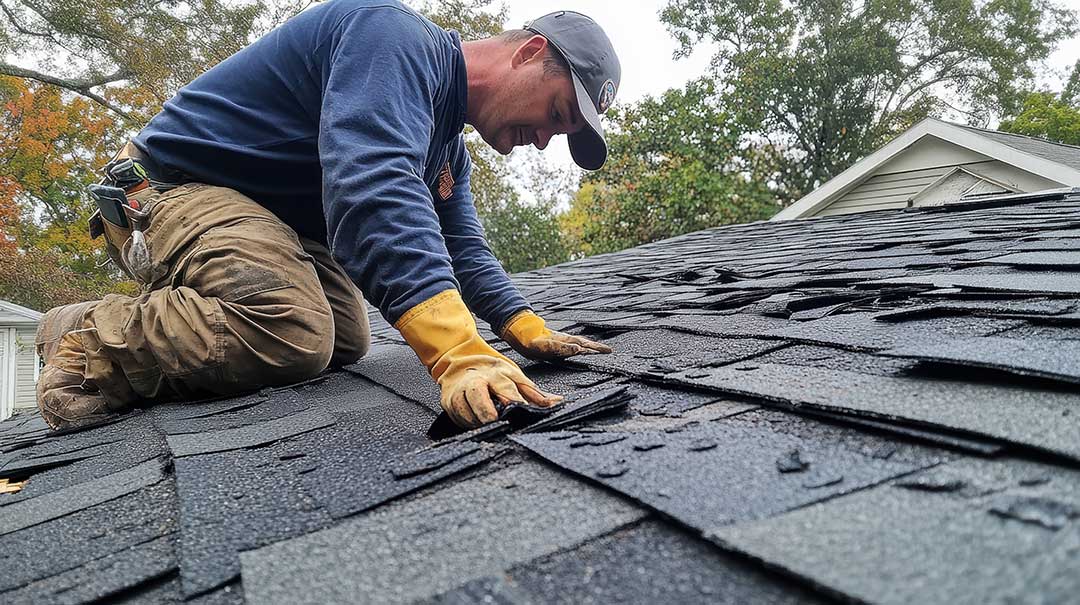
The answer depends on the age of the home, the current condition of the roof, and the family’s comfort or energy goals. For those replacing an aging roof, modern materials can meaningfully improve both comfort and utility bills. Retrofitting with insulation or cool roof coatings provides tangible benefits, especially in draftier or poorly insulated homes.
Considerations unique to the area include the intense freeze-thaw cycles, ice dams, and periodic wind events. Energy upgrades that address all these factors — improved insulation, adequate ventilation, and thoughtful material choice — usually pay off over several seasons.
What Local Factors Influence Roofing Energy Efficiency?
In the Webster community, several local patterns affect roof energy performance:
- Many homes have vented attics, making insulation and air sealing the top priorities.
- Tree cover varies, but streets with more shade naturally experience less roof heat gain in summer.
- Prevailing winds can drive snow and rain against certain roof slopes, emphasizing the need for durable and well-insulated structures.
- Local building codes regulate insulation minimums and sometimes ventilation ratios; older homes may not meet these standards without upgrades.
Residents commonly ask if their particular roof orientation or yard conditions make a difference. South-facing slopes generally see more sun exposure — an important consideration if overheating or snow melting is a concern.
How Can Residents Get Started with Roof Energy Improvements?
Start with a simple assessment:
- Check attic insulation depth; older homes often lack the recommended R-value for this climate.
- Look for signs of poor ventilation: musty smells, visible mold, or significant temperature swings between living space and attic.
- Note roof color and material; consider if a change could improve comfort.
- Observe any recurring ice dams, drafts, or areas where rooms feel much hotter or colder than others.
Many improvements — such as adding insulation, sealing air leaks, or selecting more reflective tiles during a replacement — do not require major renovations but can result in noticeable improvements in energy efficiency and comfort for years to come.
