

How Does Sun Exposure Impact Residential Roofs in Webster, NY?
Prolonged exposure to sunlight is a significant factor that influences the condition and lifespan of residential roofs. In Webster, NY, area homeowners face a unique mix of seasonal sun, fluctuating UV intensity, and climate-specific variables. Over years, the sun’s rays can cause several forms of deterioration, some visible and some more subtle.
What Happens to Roofing Materials Under Constant Sunlight?
All roofing materials, from asphalt shingles to metal and composite products, gradually change under exposure to solar radiation. UV rays break down the chemical bonds in shingles, making them brittle. Asphalt shingles, the most common roof type in the city, are especially affected.
- Colors can fade, resulting in an uneven or weathered appearance.
- Oils in asphalt evaporate, making shingles less flexible and more likely to crack.
- Protective granules loosening from shingles, leaving the surface exposed.
- Wood shakes may dry out and warp.
The intensity and duration of summer sun—even on partly cloudy days—compound these effects in local neighborhoods.
Does Sun Exposure Increase Roof Temperature?
The simple answer: yes, especially during hot, clear summer days. Roof surfaces often measure 40–60 degrees hotter than the ambient air.
In Webster, the combination of warm, sunny days and relatively cool nights leads to expansion and contraction cycles. This daily cycle of heating and cooling speeds up the aging of roofing components, especially at joints and flashing points, which are prone to movement and cracking. Local households often notice this as a cause of premature leaks or warping.
Are Some Sections of the Roof More Exposed Than Others?
Not every part of a roof receives the same amount of sunlight. Roof slope, orientation, and shade from nearby trees all influence the impact:
- South- and west-facing slopes often see the most intense, direct sun.
- Flat or low-pitch roofs experience more uniform exposure.
- Shaded areas under large trees may remain cooler, but risk moss or algae growth instead.
In Webster, NY neighborhoods with varying lot sizes and tree cover, differences in roof wear patterns are commonly tied to sun exposure.
Does Sun Damage Only Affect Shingles?
While shingles take the brunt of solar exposure, other components are also at risk:
- Sealants and adhesives can dry out, losing effectiveness at joints, vents, and chimneys.
- Underlayment, the protective barrier beneath shingles, can become brittle, offering less protection if primary shingles fail.
- Skylights and roof-mounted equipment experience gasket deterioration.
For households with older attics or poor ventilation, accumulated heat can also stress rafters and insulation materials.
What Are Signs of Sun Damage Area Residents Should Look For?
Spotting early warning signs helps prevent more expensive problems later. Common indicators include:
- Curling, cracking, or missing shingle tabs.
- Exposed, smooth patches where granules have worn away.
- Blistering or bubbling of the roofing surface, particularly after hot spells.
- Discoloration or uneven fading across the roof.
- Unexplained increases in summer cooling bills, possibly due to reduced roof reflectivity or insulation effectiveness.
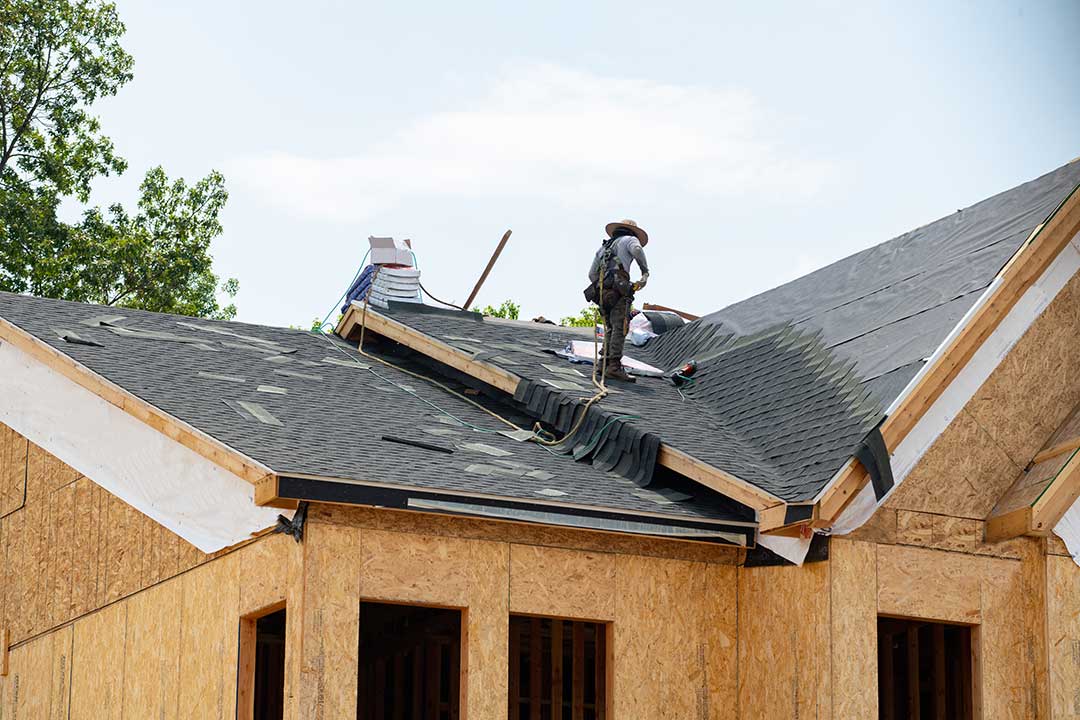
Residents who regularly check their roofs, especially after hot, dry stretches, are more likely to catch issues before weather events bring leaks.
How Does Local Climate Affect the Rate of Sun Damage?
Webster’s climate features distinct warm and cool seasons, with fluctuating sunshine hours. High humidity combined with intense sun can worsen shingle wear, particularly after summer storms strip away protective granules. Additionally, the UV index in Upstate New York, while lower than in southern states, is still strong enough in summer to accelerate roof aging. Long winter shadows may shield some areas but leave others exposed year-round, accelerating uneven aging.
What Roofing Choices Help Reduce Sun Exposure Damage?
Color, material, and ventilation all have a practical effect:
- Lighter-colored shingles reflect more sunlight, absorbing less heat.
- Some modern materials have added UV-resistant coatings.
- Proper attic ventilation helps release trapped heat, reducing surface temperatures.
- Roofing products rated for higher UV resistance generally last longer in sunny exposure.
Local building codes in the community may also require certain reflectivity standards or insulation levels, particularly in newer developments.
Are There Misconceptions About Sun Exposure and Roof Life?
A common belief is that cloudy or snowy winters "rest" the roof from UV damage. In fact, roofs are exposed to sunlight year-round—UV rays penetrate through clouds, and sunlight reflecting off snow can increase exposure for certain angles. Another misconception is that trees always protect roofs; while they can provide shade, they may also trap moisture or drop debris, introducing other maintenance issues.
How Can Area Households Manage the Effects of Sun Exposure on Their Roofs?
Simple, routine actions can extend roof life:
- Conduct a visual inspection each season, watching for changes in color, texture, or surface integrity.
- Maintain good attic ventilation to keep surface temperatures lower.
- Keep gutters clear to prevent water backup that can worsen heat-related deterioration.
- Trim back branches to balance sun exposure without excessive shade or debris.
While sun exposure can’t be completely avoided, awareness of its effects—and early action—can keep local roofs in good condition for many years.
