
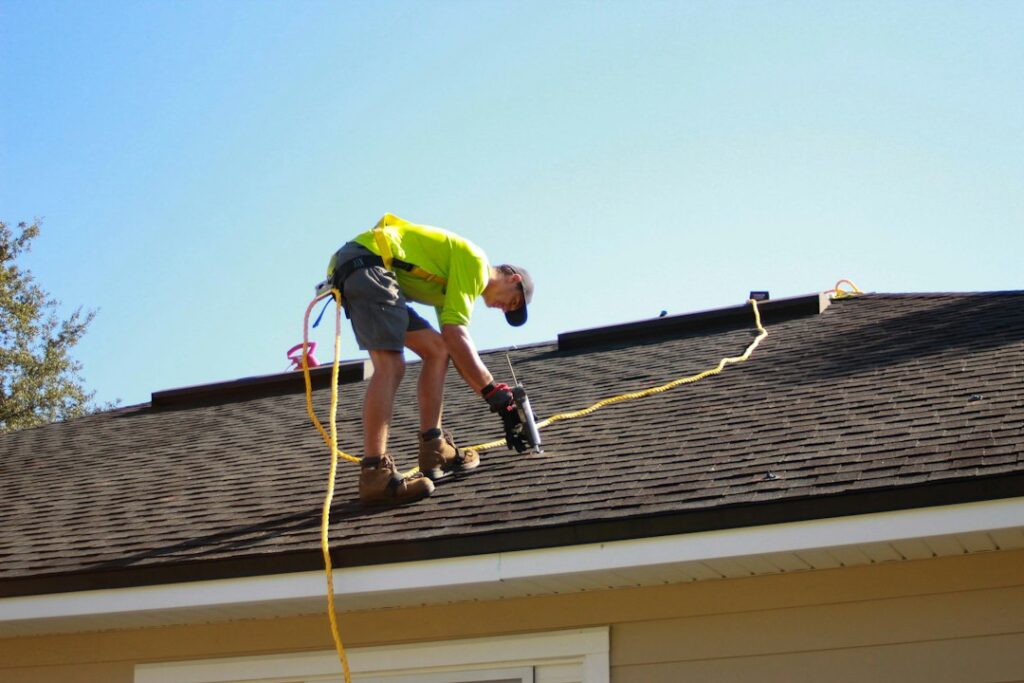
Roof damage rarely remains limited to the original problem. A missing shingle, small flashing gap, or slow leak can allow water to reach insulation, roof decking, ceilings, wiring, and framing. In Webster, NY, seasonal snow, wind, ice, rain, and repeated freeze-thaw cycles can make neglected damage spread faster than expected.
Why can a small roof leak become a major repair?
A small leak can move along roof decking, rafters, insulation, or interior wall cavities before appearing as a ceiling stain. By the time water becomes visible indoors, the source may be several feet away from the damaged area.
Roof leaks commonly develop around:
- Missing, cracked, or lifted shingles
- Roof valleys where two slopes meet
- Chimneys, plumbing vents, skylights, and other penetrations
- Loose or deteriorated flashing
- Damaged ridge caps
- Clogged or poorly draining gutters
- Areas where ice has formed along the roof edge
Water may enter during one storm and remain hidden during dry weather. Repeated wetting and drying can cause wood to swell, split, or decay. A stain that appears unchanged may still indicate ongoing damage above the ceiling.
How does neglected roof damage affect the structure?
Persistent moisture can weaken the roof deck and the framing beneath it. Roof decking may soften, delaminate, or lose its ability to hold fasteners securely. Rafters and trusses can also deteriorate when moisture remains trapped around joints or in poorly ventilated attic spaces.
Structural damage does not always look dramatic from inside the home. Warning signs may include:
- A sagging area on the roofline or ceiling
- Bowed or cracked ceiling materials
- Doors or windows that begin sticking near a damaged wall
- Wood that feels soft or crumbly
- Rusted nails, fasteners, or metal connectors in the attic
- Damp insulation or darkened roof sheathing
Snow and ice add another concern. Heavy accumulation increases the load on the roof, while uneven buildup can place greater pressure on certain sections. Existing rot or weakened framing may reduce the roof’s ability to handle normal winter conditions.
Residents should avoid walking on a visibly damaged or sagging roof. Roof surfaces can be slippery, and concealed structural weakness may not be apparent from above.
Can a roof leak create mold or indoor air problems?
Yes. Mold can develop when roof moisture remains in insulation, wood, drywall, or other porous materials. Warm attic air, limited ventilation, and damp insulation can create conditions where mold growth continues even after the roof surface appears dry.
Mold-related concerns are not limited to appearance or odor. Damp environments can worsen asthma symptoms and contribute to irritation or allergic reactions in sensitive individuals. A musty smell in an attic, bedroom, or upper-floor closet may indicate moisture behind finished surfaces.
Drying the visible area without correcting the roof defect does not resolve the underlying problem. Water-damaged materials may need to be removed or treated, particularly when they remain wet for an extended period.
What happens to insulation and energy efficiency?
A leaking roof can saturate attic insulation, reducing its insulating performance. Wet insulation may compress, become difficult to dry, and contribute to heat loss during winter. It can also allow warmer indoor air to meet cold roof surfaces, increasing condensation.
The result may be:
- Colder upper-floor rooms
- Uneven indoor temperatures
- Higher heating demand
- Frost or moisture in the attic
- Damp areas around ceiling penetrations
Roof repair and attic ventilation are related but separate issues. Better ventilation cannot compensate for an active leak, and replacing insulation without correcting the water source may lead to repeated damage.
Could roof damage create an electrical or fire hazard?
Water and electricity are a dangerous combination. A leak near ceiling fixtures, recessed lights, wiring, junction boxes, or electrical equipment can create shock, short-circuit, or fire risks.
Signs requiring caution include:
- Flickering lights after rain
- A tripped circuit associated with a leaking area
- Water near a light fixture or electrical outlet
- A burning smell
- Warm or discolored switches
- Crackling sounds from walls or ceilings

Do not touch wet electrical components. If water is actively reaching electrical equipment, occupants should keep clear of the area and use the home’s electrical shutoff only if it can be done safely without entering standing water or touching wet surfaces. Electrical hazards may require immediate attention because the danger can continue even after visible dripping stops.
Why are winter conditions especially hard on neglected roofs?
The climate around Webster exposes roofs to repeated changes in temperature, precipitation, and wind. Water can enter small openings, freeze, expand, and widen the original defect. Later thawing allows liquid water to move deeper into the roof assembly.
Ice buildup at roof edges can also interfere with drainage. If melting snow cannot flow freely into gutters, water may back up beneath roof coverings or behind exterior trim. This is more likely where gutters are blocked, roof edges are poorly insulated, or air leaks allow excess heat into the attic.
Snow removal from a roof can be hazardous. Improper tools or aggressive scraping can damage shingles, flashing, and protective layers. People should not climb onto icy roofs or attempt removal near overhead electrical lines.
Does delaying a repair affect insurance or property value?
A roof problem that is known and left unresolved may become more difficult to document as sudden storm damage. Insurance coverage depends on the policy, the cause of the loss, maintenance history, and the condition of the roof. Neglect can affect how a claim is evaluated, but only the individual policy and claim review can determine coverage.
Unresolved roof damage can also complicate a home sale or inspection. Visible staining, deteriorated decking, missing shingles, or an aging roof may prompt requests for documentation, repairs, or further evaluation. Even when a problem has not caused interior damage yet, its presence can raise questions about the condition of hidden materials.
What should residents check after a storm?
A ground-level inspection after strong wind, heavy rain, or a snow event can identify warning signs without creating unnecessary fall risk. Look for:
- Shingles or roof fragments in the yard
- Missing or uneven areas visible from the ground
- Damaged flashing around roof penetrations
- Sagging gutters or downspouts
- Water stains in upper rooms or ceilings
- Damp attic insulation
- Drips, wet wood, or daylight visible in the attic
- Large snow or ice buildup in one roof section
Photographs taken from a safe location can help record changes over time. Buckets may control dripping temporarily, but they do not prevent hidden moisture from spreading.
A roof that is actively leaking, visibly sagging, damaged near electrical equipment, or affected by substantial structural deterioration presents more than a routine maintenance issue. Those conditions may require prompt evaluation to protect occupants and prevent additional damage.
