
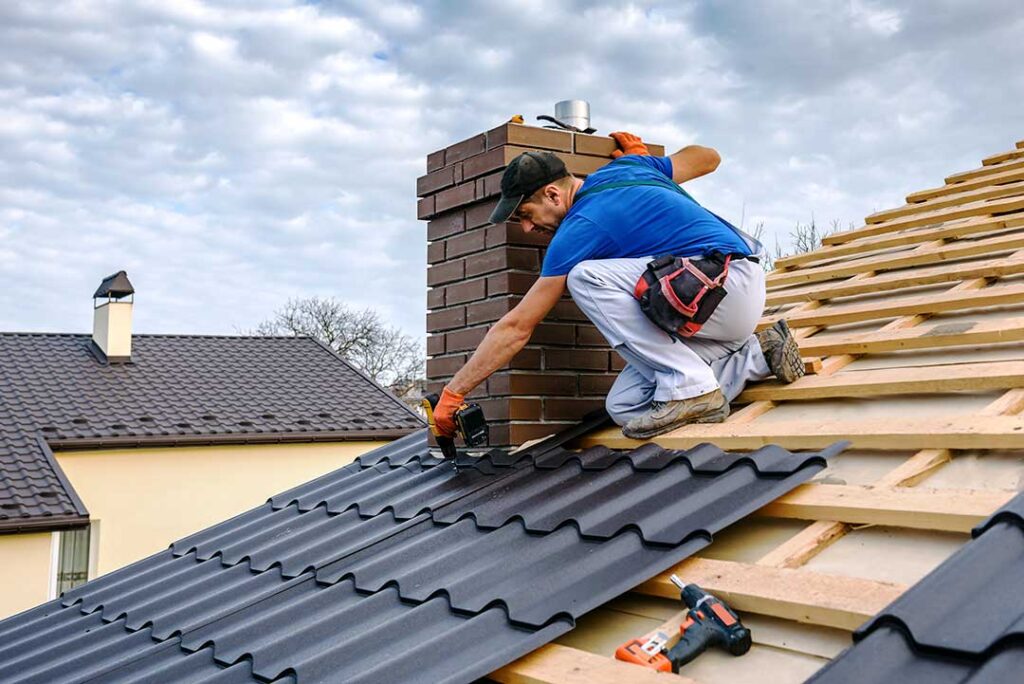
Choosing a roofing contractor in Webster, NY requires more than comparing prices. A reliable decision depends on licensing and insurance, written project details, local weather experience, attic ventilation, drainage, and the contractor’s ability to explain what the roof actually needs.
For homeowners, the goal is not simply to find the lowest bid. It is to find a qualified contractor who can identify the source of a problem, recommend an appropriate repair or replacement, and document the work clearly.
How can homeowners tell whether a roofing contractor is qualified?
A qualified contractor should be able to provide proof of insurance, explain the proposed work in plain language, and answer detailed questions about materials, installation, ventilation, cleanup, and warranty coverage.
Before signing anything, ask for:
- Proof of general liability insurance
- Workers’ compensation coverage for employees
- A written estimate with labor and material details
- References for similar roofing projects
- Information about who will perform the work
- A clear description of warranty responsibilities
- Any permits or inspections that may apply
Insurance matters because roofing involves fall hazards, ladders, tools, and heavy materials. If a worker is injured or property is damaged, unclear insurance arrangements can create serious complications for the homeowner.
A contractor should also be willing to identify the reason for a leak rather than simply covering the visible stain. Water may travel along roof decking, rafters, insulation, flashing, or interior walls before appearing indoors.
Should homeowners choose a local roofing contractor?
Local experience can be useful because roofing systems must withstand the conditions common to the area. Webster homes experience freeze-thaw cycles, lake-effect weather, wind, heavy rain, ice, and snow loads. Those conditions can affect shingles, flashing, gutters, ventilation, and roof edges in different ways.
Local familiarity may also help a contractor recognize common construction patterns in area homes, including older roof assemblies, additions with different rooflines, enclosed porches, and attic spaces with limited airflow. However, the word “local” alone does not prove quality. A contractor still needs proper insurance, documented experience, and a clear contract.
Homeowners should be cautious of crews that appear immediately after a major storm and pressure residents to sign quickly. Storm damage may require prompt attention, but a rushed decision can make it harder to compare findings, understand insurance implications, or verify who is responsible for the work.
What should a roofing estimate include?
A useful estimate should describe the work precisely enough that another contractor could understand what is being proposed. A single total price with few details makes comparison difficult.
The written proposal should address:
- The areas of the roof included in the project
- Removal and disposal of existing roofing materials
- The type and quantity of new materials
- Replacement of damaged roof decking, if needed
- Underlayment, ice-barrier, flashing, and ventilation work
- Treatment of chimneys, skylights, valleys, and roof penetrations
- Cleanup, magnetic nail collection, and property protection
- Start and completion expectations
- Payment schedule
- Change-order procedures
- Warranty terms and exclusions
Some estimates include an allowance for hidden damage discovered after tear-off. That is not necessarily a warning sign, because roof decking and flashing may not be fully visible beforehand. The important point is that the estimate should explain how additional work will be priced and approved.
How many roofing estimates should a homeowner compare?
Comparing two or three detailed estimates is usually more useful than collecting many vague prices. The goal is to compare the scope of work, not just the final number.
A lower bid may leave out important items such as flashing replacement, ice protection, ventilation improvements, disposal fees, or deck repairs. A higher bid is not automatically better either. Differences should be connected to materials, labor, roof complexity, safety practices, and the condition of the existing system.
Ask each contractor the same questions:
- Is the existing roof expected to be removed?
- How will damaged decking be handled?
- Which flashing will be replaced?
- How will the attic be ventilated?
- What happens if weather delays the work?
- Who supervises the crew?
- How will landscaping, siding, windows, and driveways be protected?
- What is covered if a leak develops after installation?
Written answers make it easier to identify meaningful differences between proposals.
What questions should be asked about roofing materials?
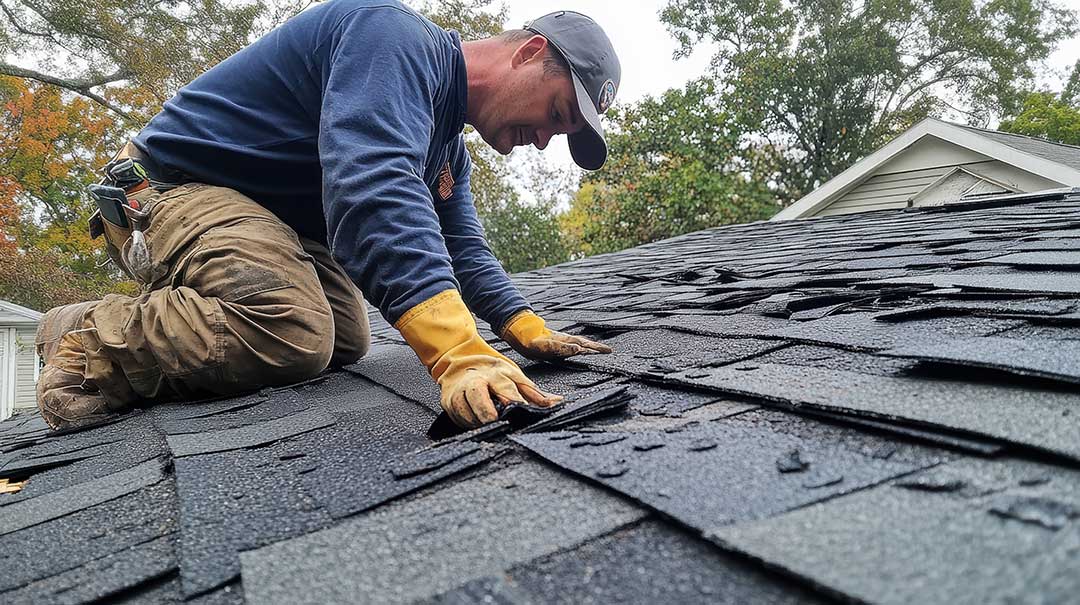
The contractor should explain why a particular roofing material is suitable for the home rather than presenting a product choice without context. Asphalt shingles are common, but performance depends on installation quality, roof slope, ventilation, underlayment, flashing, and exposure to weather.
Ask about:
- Expected service life under local conditions
- Wind resistance and installation requirements
- Color and material availability
- Manufacturer requirements for warranty coverage
- Compatibility with the existing roof structure
- Maintenance needs
- Whether the roof has areas with low slope or unusual drainage
The longest advertised material life does not guarantee that a roof will last that long. Poor ventilation, inadequate installation, persistent moisture, and storm damage can shorten the useful life of nearly any roofing system.
Why do attic ventilation and ice protection matter?
A roof replacement should include an assessment of ventilation and winter moisture control, not just new shingles. In cold climates, warm attic air can contribute to condensation and uneven snow melting. That melted snow may refreeze near roof edges, where ice buildup can obstruct drainage and allow water beneath roofing materials.
Properly designed ventilation helps manage heat and moisture in the attic. Ice-barrier protection and correctly installed flashing help defend vulnerable roof edges, valleys, walls, chimneys, and penetrations.
Ventilation should not be added randomly. Exhaust vents require balanced intake airflow, and blocking soffit vents with insulation can reduce the effectiveness of the system. A contractor should be able to describe how air moves through the attic and what changes, if any, are necessary.
What are warning signs of an unreliable contractor?
Several warning signs deserve attention:
- Pressure to sign immediately
- Requests for full payment before work begins
- No written contract
- Unclear insurance information
- A bid that is dramatically lower without an explanation
- Refusal to identify materials or installation methods
- Vague answers about warranties
- Unwillingness to provide references
- Recommendations based only on an interior ceiling stain
- A contract that allows broad price increases without homeowner approval
Homeowners should also be cautious when a contractor claims that all roof damage will automatically be paid by insurance. Insurance coverage depends on the policy, the cause of damage, exclusions, deductibles, and the insurer’s evaluation. Contractors may document visible conditions, but coverage decisions belong to the insurance company.
What should be included in the contract?
The contract should identify the homeowner, contractor, property, scope of work, materials, cost, payment schedule, expected timing, cleanup responsibilities, and warranty terms. It should also explain how changes will be handled.
Do not rely on verbal promises about ventilation, flashing, deck repairs, or cleanup. If a detail matters, it belongs in the written agreement.
Before work starts, confirm where materials will be placed, how vehicles and landscaping will be protected, how access to the home will be managed, and how debris will be removed. Webster weather can change quickly, so the agreement should also address rain, wind, snow, and other delays without leaving the schedule entirely undefined.
A sound roofing decision is based on documented qualifications, a comparable scope of work, realistic expectations, and a contract that leaves little room for confusion. For area households, careful selection is especially valuable because a roof must perform through wet springs, summer storms, winter snow, and repeated freeze-thaw conditions—not just on the day it is installed.
