
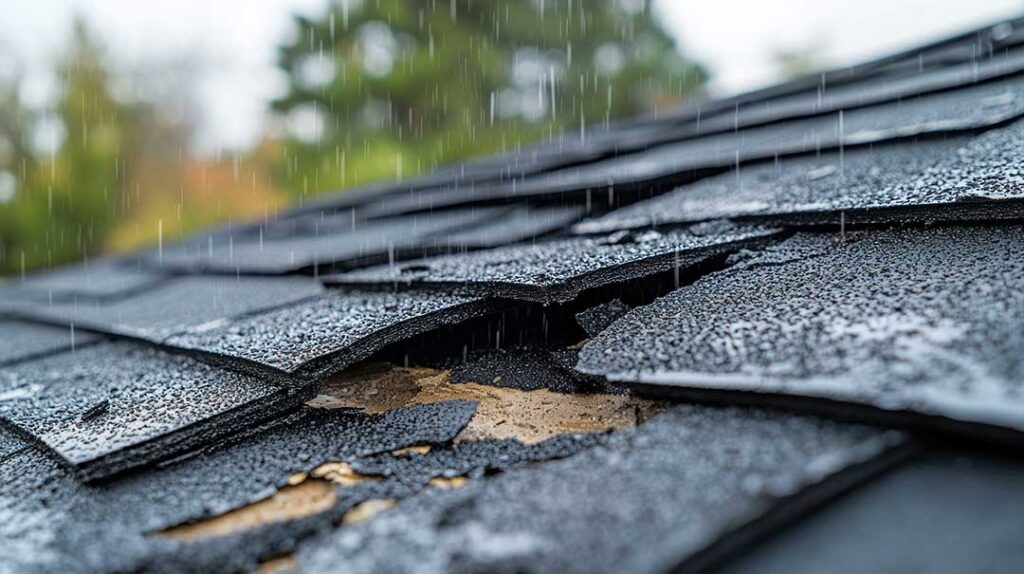
What Is Roof Pitch and Why Does It Matter?
Roof pitch describes the steepness or slope of a roof, usually given as a ratio of rise over run (like 6:12, meaning the roof rises 6 inches for every 12 inches it travels horizontally). It’s a fundamental detail that shapes how a roof looks and performs, especially in climates like Webster, NY, where snow, rain, and changing seasons put roofs to the test.
Roof pitch is more than an architectural choice—it influences everything from water drainage and snow shedding to the types of roofing materials that can be used. Homeowners who understand their roof’s slope make more informed decisions about repairs, updates, and maintenance.
How Is Roof Pitch Measured?
A roof’s slope is most commonly measured by its rise over a standard 12-inch run. For example, a 4:12 pitch rises 4 inches for every 12 inches of horizontal run. Steeper roofs have higher first numbers (like 9:12), while low-slope or flat roofs might be 2:12 or less.
Typical roof pitches for area homes include:
- Low-slope (2:12 to 4:12)
- Moderate-slope (5:12 to 8:12), often seen in traditional neighborhoods
- Steep-slope (9:12 and above), sometimes found on older or custom homes
Understanding your home’s pitch allows for safer maintenance planning, knowing which roofing materials are appropriate, and anticipating how your roof will handle the climate.
How Does Roof Pitch Impact Weather Protection in Webster’s Climate?
Roof pitch directly affects how well a home stands up to local weather, especially heavy snowfall and rain events common in the area. Steeper roofs shed snow and water more efficiently, helping prevent leaks and ice build-up. Flatter roofs are more likely to retain snow, which increases the weight load and risk of moisture intrusion.
In snowy winters, a steeper pitch:
- Encourages snow to slide off before accumulating
- Reduces the risk of ice dams forming at the eaves
- Lowers long-term stress on the roofing structure
On the other hand, gently sloped or nearly flat roofs need careful attention to drainage, flashing, and waterproof materials since water is more likely to pool or move slowly toward gutters.
Does Roof Pitch Affect Which Materials Can Be Used?
Yes, a roof’s slope will limit the types of shingles or coverings that work best. Certain roofing materials—like asphalt shingles, clay tiles, or wood shakes—generally require moderate to steep slopes to ensure water runs off rather than seeping underneath. Low-slope roofs often use rolled roofing, modified bitumen, or membrane systems designed to resist pooling water.
Local homeowners should check manufacturers’ pitch requirements for any material. Installing shingles on too flat a roof can void warranties and increase the risk of leaks.
What Are the Most Common Misconceptions About Roof Pitch?
Many people think all roofs are “about the same” or that you can add any material to any slope. Some common misunderstandings include:
- Believing a flat roof is truly flat (almost all need at least a slight slope for drainage)
- Assuming snow always falls off on its own (build-up on shallow pitches is common)
- Thinking a steeper roof never leaks (all roofs require maintenance and proper flashing)
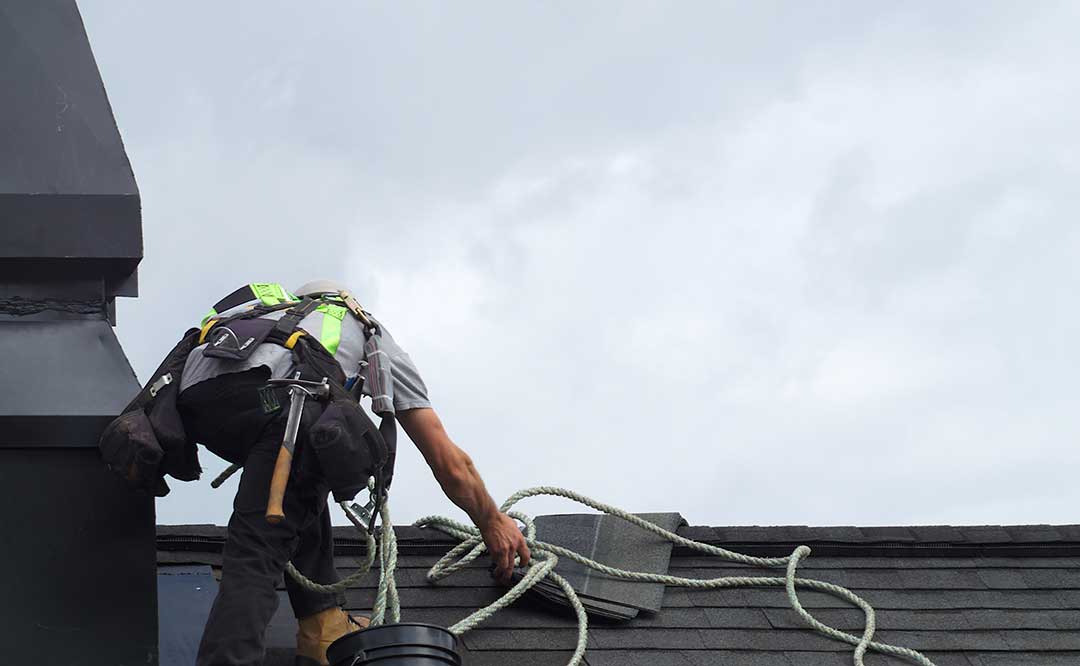
In practice, each type of pitch has unique maintenance needs and risks that local residents should be aware of, especially with seasonal freeze-thaw cycles.
How Does Roof Pitch Influence Energy Efficiency and Living Space?
Slope affects more than just water run-off—it also plays a role in insulation and usable space under the roof. Steep-sloped roofs make attic conversions or vaulted ceilings more practical, sometimes adding value or storage. The air space beneath a high-pitch roof can also buffer heat and cold.
Lower-pitch roofs might reduce attic space but can simplify heating and cooling. A well-insulated low-slope roof can be just as energy-efficient as a steeper one when constructed correctly. Local energy codes encourage solid insulation regardless of the pitch.
Should Homeowners in Webster Check Roof Pitch Before Additions or Renovations?
Absolutely. Projects like adding dormers, skylights, or extending a roofline require planning around the existing slope. Building codes and zoning regulations in the city can also mandate certain minimum pitches for safety, drainage, or visual consistency.
When planning updates:
- Review current roof pitch and confirm which materials, insulation, and roof details are allowed
- Check if major snow loads or ice dams have caused issues in the past
- Consult the local building department for pitch-specific regulations
Understanding your home’s roof slope before starting a project can prevent costly mistakes and ensure long-term performance in the local environment.
